
A septic system is one of the most important — yet often overlooked — parts of a home.
Hidden underground, it quietly handles all your household wastewater, keeping your property clean, sanitary and environmentally safe. But like any other essential system, it requires consistent care to operate efficiently and last for decades.
Without proper septic system maintenance, homeowners risk costly repairs, unpleasant odors, slow drains and even system failure.
Fortunately, a few simple habits and regular checkups can prevent most of these issues before they start.
In this guide, we’ll share practical septic system maintenance tips that every homeowner should know to keep things running smoothly year-round.
Table of Contents
Why Septic System Maintenance Matters
Your septic system is responsible for managing everything that goes down your drains — from sinks and showers to toilets and washing machines. Over time, solid waste accumulates in the septic tank, while wastewater flows into the drain field for treatment and filtration.
If the tank becomes too full or the system is neglected, sludge and solids can clog the pipes, causing backups, foul odors or even groundwater contamination.
Regular septic system maintenance helps you:
- Avoid expensive repairs by catching small issues early.
- Extend the lifespan of your septic tank and drain field.
- Protect the environment by preventing leaks and contamination.
- Keep your home sanitary and free from unpleasant odors or sewage backups.
Routine septic system maintenance not only saves you money, but also gives you peace of mind knowing your home’s wastewater system is functioning as it should.
Septic System Maintenance Tips
1. Schedule Regular Septic Tank Pumping
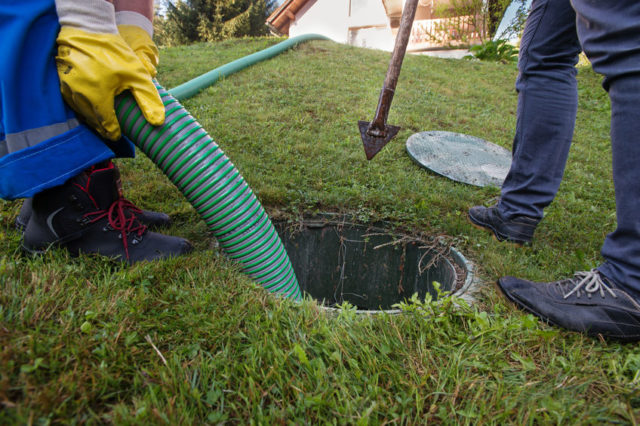
One of the most critical parts of septic system maintenance is having your tank pumped on a regular basis.
Over time, solids settle at the bottom of your septic tank, forming a layer of sludge. If this buildup isn’t removed, it can overflow into the drain field, leading to clogs, backups and even total system failure.
As a rule of thumb, most households should consider septic tank pumping every 1 to 3 years, depending on usage, household size and tank capacity.
If you’re unsure when your system was last pumped, schedule an inspection with a trusted septic professional.
At All American Septic, we’ll check your sludge levels, clean out your tank and provide guidance on the ideal pumping schedule for your home.
2. Conserve Water to Reduce System Strain
Your septic system can only handle so much wastewater at once. Excessive water use can overload the tank and flood the drain field, preventing it from properly filtering wastewater.
To reduce strain on your system:
- Fix leaky faucets and toilets immediately.
- Spread laundry loads throughout the week instead of doing them all in one day.
- Install low-flow showerheads and toilets.
- Use high-efficiency washing machines and dishwashers.
Every gallon of water that enters your septic system eventually needs to be treated and filtered. Conserving water helps your septic tank and drain field operate more efficiently and last longer.
3. Be Mindful of What You Flush or Drain
Your septic system isn’t designed to handle everything that goes down your drains. Non-biodegradable materials and harsh chemicals can clog the system or kill the beneficial bacteria that break down waste.
Here’s what you should never flush or pour into your septic system:
- Wet wipes (even if labeled “flushable”)
- Paper towels, tissues or feminine hygiene products
- Grease, oils or fats from cooking
- Coffee grounds or food scraps
- Harsh chemicals like bleach or drain cleaner
- Paints, solvents or antibacterial soaps
Instead, stick to septic-safe toilet paper, biodegradable cleaners and avoid putting anything down the drain that your system can’t naturally process.
4. Protect the Drain Field
Your drain field plays a vital role in your septic system’s ability to filter wastewater.
Keeping it healthy is one of the best ways to prevent long-term problems.
To protect your drain field:
- Never park vehicles or place heavy objects over it — this can compact the soil and damage pipes.
- Keep trees and shrubs at least 20 feet away from the drain field to prevent root intrusion.
- Redirect roof gutters and surface water away from the area to avoid flooding.
- Don’t build decks, sheds or patios over your drain field.
A healthy drain field ensures wastewater is properly filtered and absorbed into the soil, keeping your system efficient and environmentally safe.

5. Schedule Routine Septic Inspections
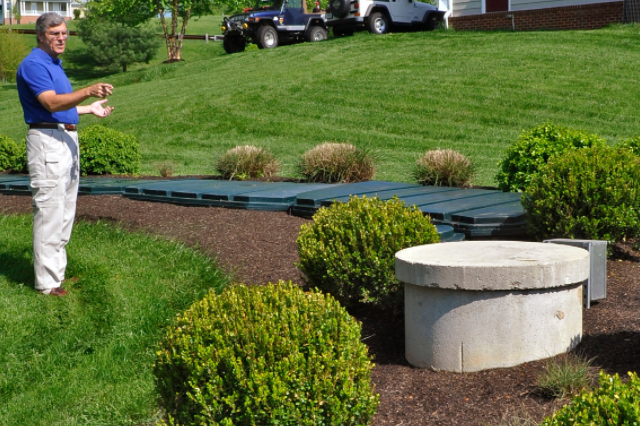
Even if your system seems to be working fine, regular professional septic inspections are essential. During an inspection, a technician will evaluate your tank, pipes, drain field and other components to make sure everything is functioning properly.
Inspections can identify issues like cracks, leaks or clogs early — before they turn into major problems.
Homeowners should schedule a septic inspection every one to three years, or more often if the system is older or heavily used.
A typical inspection includes:
- Measuring sludge and scum levels in the tank
- Checking for leaks and corrosion
- Inspecting baffles and distribution boxes
- Evaluating the drain field’s absorption ability
If you want to learn more about what happens during a septic inspection, check out our related article:
👉 What Happens During a Septic Inspection?
6. Use Septic-Safe Products
Many cleaning products contain chemicals that can harm your septic system’s bacteria — the microorganisms responsible for breaking down solid waste.
When shopping for household cleaners, look for labels marked “septic safe” or “biodegradable.” Avoid products with bleach, ammonia or antibacterial agents.
For natural cleaning, consider using simple solutions like:
- Baking soda and vinegar for drains
- Lemon juice for odor control
- Mild dish soap for general cleaning
Protecting your tank’s natural bacteria ensures waste breaks down efficiently and keeps your system healthy long-term.
7. Watch for Warning Signs of Septic Problems
Even with proper septic system maintenance, problems can arise over time. Knowing the warning signs can help you act quickly before a small issue becomes a costly repair.
Common signs of septic trouble include:
- Slow-draining sinks, tubs or toilets
- Gurgling sounds in the plumbing
- Foul odors near drains or outside near the tank
- Standing water or soggy areas around the drain field
- Sewage backing up into the home
If you notice any of these signs, contact a professional septic repair company immediately. Ignoring early symptoms can lead to severe damage and even complete septic system failure.
8. Keep Accurate Maintenance Records
Maintaining records of inspections, pumpings and repairs helps track the condition of your system and plan future septic system maintenance. These records are also valuable if you ever sell your home, showing potential buyers that the septic system has been properly cared for.
Keep copies of:
- Pumping and inspection reports
- Repair or replacement receipts
- A diagram of your system’s layout
Good documentation ensures your septic system maintenance history is easy to reference and that future service providers know exactly what’s been done.
9. Be Cautious with Additives
While some companies market additives as “septic system maintenance boosters,” not all are beneficial — and some can even harm your system.
Biological additives that contain natural bacteria or enzymes may help improve digestion of waste, but chemical-based additives can disrupt the tank’s natural balance or cause solids to flow into the drain field.
Before using any additive, consult your septic professional for guidance. In most cases, regular pumping and good usage habits are all your system needs to stay healthy.
10. Plan for Seasonal Septic System Maintenance
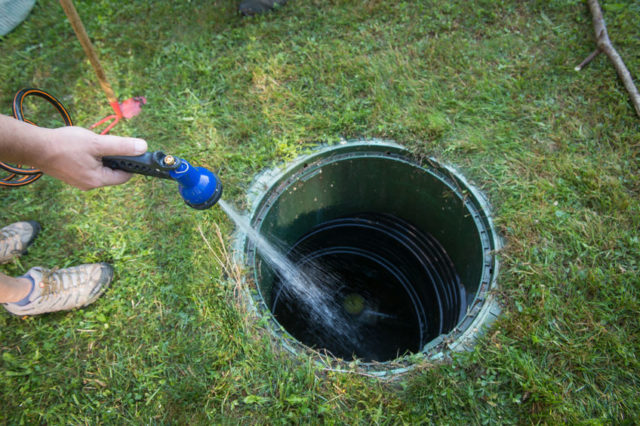
Weather can impact how your septic system functions. Seasonal septic system maintenance can help you stay ahead of issues caused by temperature changes, rain or freezing conditions.
Spring/Summer:
- Schedule inspections and pumping before heavy rain seasons.
- Make sure drainage from gutters or sprinklers doesn’t overload the drain field.
Fall/Winter:
- Mark the location of your tank and drain field to prevent accidental damage from snow plows or landscaping.
- Insulate exposed pipes to prevent freezing.
- Avoid compacting soil over your system, which can limit its efficiency.
A little seasonal preparation can go a long way in keeping your septic system functioning properly all year long.
Trust the Experts for Reliable Septic System Maintenance
Your septic system is one of the hardest-working parts of your home — and it deserves professional attention. Whether it’s time for a routine pumping, inspection or repair, the experts at All American Septic are here to help.
Our team proudly serves homeowners throughout Northeast Oklahoma, including Claremore, Tulsa, Owasso, Catoosa, Pryor and surrounding areas. We provide honest advice, reliable service and affordable solutions for all your septic system maintenance needs.
📞 Contact All American Septic today to schedule your septic inspection or pumping service and keep your system running smoothly year after year.