
Your septic system works quietly behind the scenes, handling one of your home’s most essential functions — wastewater management.
But when something goes wrong, it’s not always easy to know whether you need a septic repair or a full septic replacement.
Making the right decision early can save you time, money and stress while keeping your system running efficiently.
In this guide, we’ll walk you through the key differences between septic repair and septic replacement, common signs of septic issues and how to determine which solution is right for your property.
Table of Contents
Understanding Your Septic System
Before we get into repairs and replacements, it helps to understand how your septic system works. A typical system consists of a septic tank, drain field (or leach field) and connecting pipes that carry wastewater from your home.
Here’s what happens behind the scenes:
- Wastewater flows from your sinks, showers and toilets into the septic tank.
- Inside the tank, solids settle to the bottom (forming sludge), while lighter materials like oils float to the top (forming scum).
- The middle layer of liquid (effluent) flows out into the drain field, where it’s naturally filtered by soil.
When properly maintained, a septic system can last for decades. However, over time, components can wear out or become damaged — leading to the need for either septic repair or septic replacement.
Signs You May Need Septic Repair or Replacement

Recognizing the early signs of septic system trouble can help you address small issues before they turn into major problems.
Some warning signs are minor and can often be fixed with septic repair, while others indicate that a full replacement may be needed.
Common Signs You Need Septic Repair
- Slow drains or gurgling sounds in sinks, showers or toilets
- Bad odors around the septic tank or drain field
- Wet spots or standing water near the drain field
- Sewage backups in the home (usually an urgent issue)
- Unusually green or lush grass over the drain field
Signs You May Need Septic Replacement
- Frequent repairs or pumping issues that don’t solve the problem
- Old age (systems over 25–30 years old may be nearing the end of their lifespan)
- Drain field failure, indicated by pooling wastewater or foul smells that persist
- Structural damage to the tank, such as cracks or corrosion
- Contamination of nearby groundwater or wells
If you’re unsure which category your issue falls into, a professional septic inspection can provide the clarity you need.
Septic Repair: When It’s the Right Choice
Not every problem means your system needs to be replaced.
In many cases, a septic repair can restore performance and extend the life of your system for years to come.
Common Septic Repairs
1. Pumping and Cleaning
Sometimes, what seems like a major problem is simply a buildup of sludge or solids in the tank. Regular septic cleaning (every 1 to 3 years) helps prevent blockages and keeps your system healthy.
2. Pipe Repair or Replacement
Cracked or clogged pipes can cause backups or slow drainage. A professional can identify and replace damaged sections without disturbing the entire system.
3. Baffle Replacement
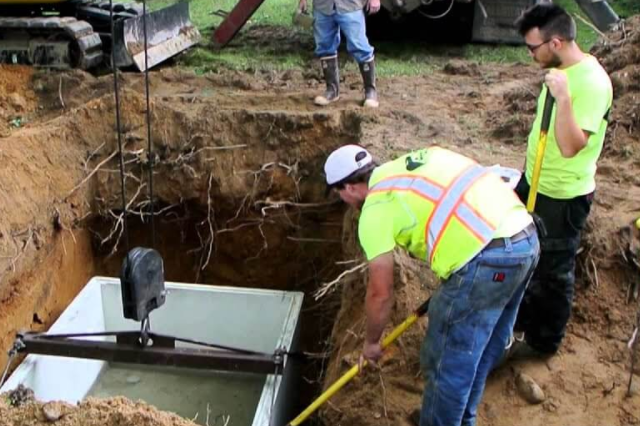
Baffles prevent solids from leaving the tank and entering the drain field. If they become damaged or corroded, they can usually be replaced without a full tank replacement.
4. Drain Field Restoration
If the drain field is struggling to absorb effluent due to compaction or clogging, techniques like soil fracturing or bacterial additives may restore proper function.
5. Pump or Electrical Repairs (for advanced systems)
Aerobic treatment units (ATUs) and pump-assisted systems rely on electrical components that may occasionally fail. Replacing a pump or control panel can often solve performance issues.
Benefits of Septic Repair
- Cost-effective compared to full replacement
- Less disruption to your yard and property
- Faster turnaround time
- Prolongs the lifespan of your existing system
If your system is relatively new, in good condition and only experiencing isolated issues, septic repair is usually the best route.
Septic Replacement: When Repairs Aren’t Enough
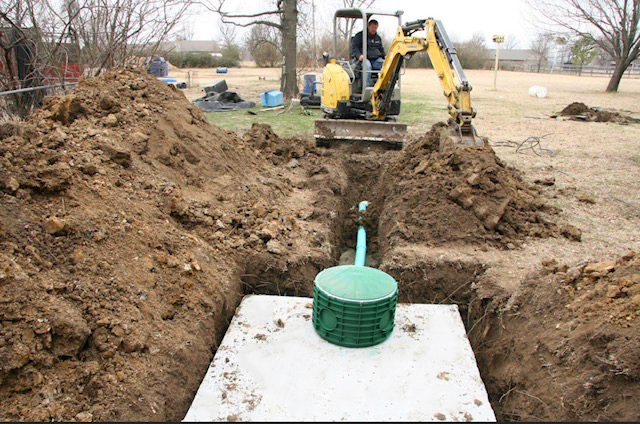
While septic repair is often the first step, some problems go beyond simple fixes.
In these cases, septic replacement may be the most reliable and long-term solution.
When Septic Replacement Is Necessary
1. Aging System
Most septic systems last between 25 and 40 years, depending on maintenance and usage. If yours is nearing that range and needs frequent repairs, replacement is likely the smarter investment.
2. Drain Field Failure
A failing drain field can cause wastewater to surface in your yard or back up into your home. Once this happens, replacing the drain field (and possibly the tank) is often required.
3. Structural Tank Damage
Cracks, rust or corrosion in the tank can cause leaks and groundwater contamination. A damaged tank must be replaced to prevent environmental hazards.
4. Improperly Sized or Installed Systems
If your septic system wasn’t designed for your home’s wastewater volume — or if it was poorly installed — it may never perform efficiently. Replacing it with the correct setup ensures long-term reliability.
5. Regulatory or Property Changes
Sometimes, local codes or property modifications (like home additions) require system upgrades. Replacement ensures your septic setup meets all local health and safety standards.
Benefits of Septic Replacement
- Long-term reliability and fewer future repairs
- Improved efficiency and wastewater treatment
- Compliance with updated local regulations
- Higher property value and peace of mind
Although septic replacement involves more upfront cost, it can save you from repeated repair bills and prevent property damage down the road.
Cost Comparison: Septic Repair vs. Septic Replacement
One of the biggest factors homeowners consider is cost. The price difference between septic repair and septic replacement can be significant, but it’s important to weigh long-term value.
| Minor Septic Repairs | $200 – $1,500 | Extends system life by 3–10 years |
| Major Septic Repairs | $1,500 – $5,000 | Extends system life by 5–15 years |
| Full Septic Replacement | $5,000 – $15,000+ | New lifespan of 25–40 years |
While repairs are less expensive in the short term, an old or failing system may continue to require costly fixes. In such cases, a full replacement becomes more cost-effective over time.
How to Decide Between Septic Repair and Septic Replacement
Choosing the right solution depends on several factors — system age, extent of damage and your long-term plans for the property. Here’s how to make an informed decision:
1. Get a Professional Inspection
A licensed septic expert can assess the health of your system, measure sludge levels and test drain field performance.
2. Consider the System’s Age
If your septic system is under 15 years old, repairs are typically the better option. Systems nearing 25–30 years may be due for replacement.
3. Evaluate Repair Frequency
If you’ve had multiple septic repairs within a short timeframe, ongoing maintenance costs may soon outweigh a full replacement.
4. Assess Environmental Impact
Persistent leaks or contamination issues are strong indicators that replacement is the only safe solution.
5. Think Long-Term
Investing in a new system can increase your home’s value, improve performance and reduce maintenance costs for decades.
Preventative Care: Extending the Life of Your Septic System
Whether you’ve just repaired or replaced your system, proper septic system maintenance is essential for longevity. Here are a few key tips:
- Schedule regular pumping every 1 to 3 years
- Avoid flushing non-biodegradable items (wipes, paper towels, feminine hygiene products)
- Use water efficiently to prevent overloading the system
- Keep trees and shrubs away from the drain field
- Avoid driving or parking on top of the septic system
- Have regular inspections to catch problems early
Preventative care not only helps avoid costly repairs, but also ensures your system continues to operate safely and effectively.
Trust All American Septic for Reliable Service
Whether you need septic repair, septic replacement or just routine maintenance, All American Septic is here to help. Our experienced technicians proudly serve Claremore, Tulsa, Owasso, Pryor, Broken Arrow and surrounding Oklahoma areas with dependable, professional septic services.
We’ll inspect your system, explain your options and recommend the most cost-effective solution for your home — so you can have peace of mind knowing your wastewater system is in good hands.
👉 Contact All American Septic today to schedule your septic inspection or service appointment!