
Your septic system works quietly behind the scenes every day, collecting, treating and disposing of wastewater from your home. Because most of the system is buried underground, it's easy to forget it's even there — until something goes wrong. Unfortunately, waiting for a problem to appear can lead to expensive repairs, unpleasant odors, sewage backups and even complete system failure.
That's why scheduling a septic inspection on a regular basis is one of the best investments you can make as a homeowner. A professional inspection helps identify small issues before they become major problems, extends the life of your septic system and gives you confidence that everything is working as it should.
So, how often should you schedule a septic inspection? The answer depends on several factors, including your household size, system age, water usage and whether you're buying or selling a home.
Let's take a closer look at when you should schedule a septic inspection and why routine inspections are essential.
Table of Contents
Why Is a Septic Inspection Important?
A septic inspection is a thorough evaluation of your septic system to determine its overall condition and performance. During the inspection, a qualified technician examines key components of the system, looking for signs of wear, damage, leaks, excessive sludge buildup or drain field problems.
Routine inspections can help:
Many septic issues develop gradually. By scheduling regular inspections, you can address minor concerns before they turn into expensive emergencies.
How Often Should You Get a Septic Inspection?
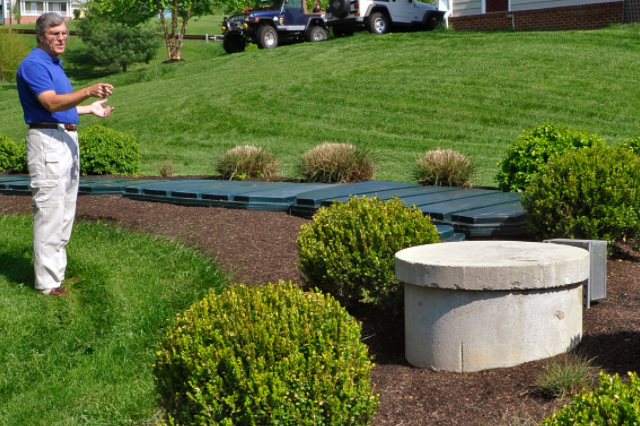
For most homeowners, experts recommend scheduling a septic inspection every three to five years. However, there isn't a one-size-fits-all schedule. Several factors may require more frequent inspections.
Household Size
Larger households naturally produce more wastewater. More people using sinks, showers, toilets, washing machines and dishwashers means your septic system works harder every day.
If your household has:
- Four or more occupants
- Frequent overnight guests
- Multiple bathrooms
- High daily water usage
you may benefit from scheduling inspections more frequently.
Age of the Septic System
Older systems require closer monitoring.
If your septic system is more than 20 years old, scheduling regular septic inspections becomes even more important. Aging tanks, pipes and drain fields may begin showing signs of deterioration that can be addressed before complete failure occurs.
Water Usage
Excessive water usage places additional strain on your septic system.
You may want more frequent inspections if your household:
- Does several loads of laundry each day
- Uses high-capacity appliances
- Has frequent visitors
- Operates a home business with increased water usage
Reducing water usage can help extend the life of your septic system between inspections.
When Should You Schedule a Septic Inspection?
Beyond routine maintenance, there are several situations where scheduling a septic inspection is strongly recommended.
Before Buying a Home
Purchasing a home with a septic system without having it inspected can be a costly mistake.
A standard home inspection typically does not include a complete septic evaluation. A professional septic inspection can uncover hidden issues that may not be immediately visible.
The inspection can reveal:
- Tank condition
- Drain field performance
- Structural damage
- Signs of previous repairs
- Sludge levels
- Overall system functionality
Knowing the condition of the septic system before closing can save homebuyers thousands of dollars.
Before Selling a Home
Many sellers choose to schedule a septic inspection before listing their property.
Doing so can:
- Increase buyer confidence
- Reduce surprises during negotiations
- Speed up the closing process
- Demonstrate proper maintenance
Having documentation showing your septic system is functioning properly can be a valuable selling point.
After Heavy Rainfall or Flooding
Heavy rainfall can saturate the soil surrounding your drain field.
If your property has experienced flooding or prolonged wet conditions, a septic inspection can help determine whether your system has been affected.
Saturated soil may reduce the drain field's ability to properly absorb wastewater.
If You Notice Warning Signs
Never ignore symptoms that indicate potential septic problems.
Schedule an inspection immediately if you notice:
- Slow drains
- Gurgling pipes
- Sewage odors
- Sewage backups
- Standing water near the drain field
- Bright green patches of grass
- Frequently running toilets affecting system performance
The earlier problems are identified, the easier — and often less expensive — they are to repair.
What Happens During a Septic Inspection?
Many homeowners wonder what a technician actually looks for during a septic inspection.
Although every property is different, a comprehensive inspection generally includes:
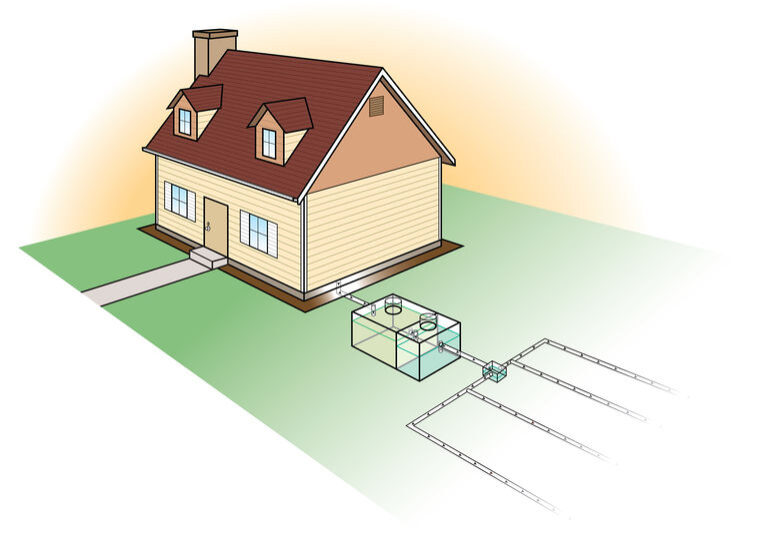
Locating the Septic Tank
The technician first locates and accesses the septic tank.
Measuring Sludge & Scum Levels
Measuring waste levels helps determine whether pumping is needed.
Inspecting the Tank
The tank is checked for cracks, leaks, structural damage, corrosion and signs of deterioration.
Checking the Inlet & Outlet Baffles
Baffles help regulate wastewater flow. Damaged baffles can allow solids to enter the drain field, increasing the risk of failure.
Evaluating the Drain Field
The drain field is inspected for standing water, soil saturation, uneven settling, wastewater surfacing and drainage issues.
Reviewing Overall System Performance
The technician evaluates how efficiently the entire septic system is operating and identifies any recommended repairs or maintenance.
Benefits of Regular Septic Inspections
Scheduling routine septic inspections offers several long-term advantages.
Prevent Expensive Repairs
Early detection often means smaller repair bills.
Replacing a damaged baffle is significantly less expensive than replacing an entire drain field.
Extend System Lifespan
Routine maintenance and inspections help maximize the lifespan of your septic system.
Many systems last decades when properly maintained.
Protect Your Property
A failing septic system can damage landscaping, contaminate groundwater and create health hazards.
Routine inspections reduce these risks.
Improve System Efficiency
A well-maintained septic system will process wastewater more efficiently.
This will reduce stress on every component.
Tips to Keep Your Septic System Healthy Between Inspections
Although professional inspections are essential, homeowners also play an important role in protecting their septic systems.
Here are a few simple maintenance tips:
Small habits can make a significant difference over the life of your septic system.
Choosing a Qualified Septic Inspection Company
Not every contractor offers the same level of experience.
When scheduling a septic inspection, look for a company that:
Working with knowledgeable professionals will help make sure your inspection is thorough and accurate.
Protect Your Investment with Routine Septic Inspections
Your septic system is one of the largest hidden investments on your property. Like your roof, HVAC system or foundation, it deserves routine care and attention.
Scheduling a regular septic inspection allows you to catch problems early, reduce repair costs, improve system performance and extend the life of your investment.
Whether you've owned your home for decades or recently moved into a property with a septic system, regular inspections provide peace of mind and help make sure your wastewater system continues operating efficiently.
Don't wait until you experience a backup or costly failure. A professional septic inspection today can help prevent major problems tomorrow.
Need a professional septic inspection in Northeast Oklahoma?
All American Septic offers thorough inspections and expert service to keep your system running efficiently.
Frequently Asked Questions
Most homeowners should schedule a septic inspection every three to five years. Older systems or larger households may require more frequent inspections.