
Your septic system is one of the hardest-working systems on your property, quietly treating and disposing of wastewater every day. However, like any essential system, it requires routine maintenance to perform efficiently. One of the most important maintenance tasks is septic tank cleaning.
Unfortunately, many homeowners wait until they notice slow drains, unpleasant odors or sewage backups before scheduling service. By then, what could have been a simple maintenance appointment may have turned into a costly repair.
Regular septic tank cleaning helps keep your septic system functioning properly, extends its lifespan and reduces the risk of unexpected failures. Whether you've recently installed a new septic system or have owned your home for years, understanding the benefits of routine cleaning can save you time, money and frustration.
Let's explore five major benefits of scheduling regular septic tank cleaning.
Table of Contents
Why Is Septic Tank Cleaning Important?
Over time, solid waste naturally settles at the bottom of your septic tank, forming a layer of sludge. Oils, grease and lighter materials float to the top, creating a scum layer. Between these layers is wastewater that flows to the drain field for further treatment.
As sludge and scum continue to build up, they reduce the available space inside the tank. If left untreated, solids can begin flowing into the drain field, leading to clogs, poor drainage and even complete septic system failure.
Routine septic tank cleaning removes these accumulated solids, allowing your system to continue operating efficiently.
Benefits of Regular Septic Tank Cleaning
1. Prevent Costly Septic System Repairs
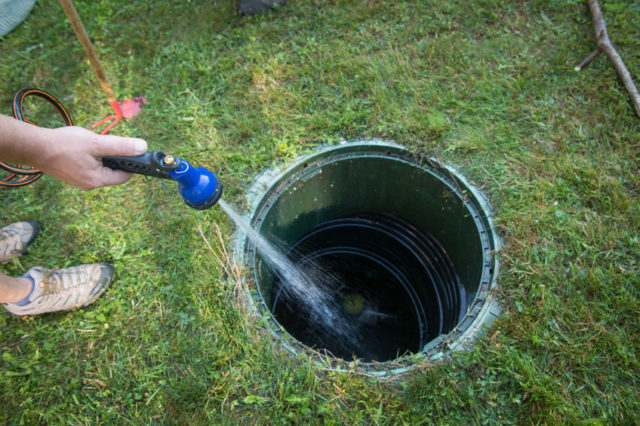
Perhaps the biggest advantage of regular septic tank cleaning is avoiding expensive repairs.
When excessive sludge remains inside the tank, it can clog pipes, block the outlet baffle or enter the drain field. Once solids reach the drain field, they can permanently damage the soil's ability to filter wastewater.
Common repairs caused by neglected maintenance include:
- Drain field restoration
- Pipe replacement
- Septic tank repairs
- Pump replacement
- Emergency septic service
These repairs often cost significantly more than routine maintenance.
Scheduling regular septic tank cleaning is one of the simplest ways to protect your investment and reduce long-term expenses.
2. Extend the Life of Your Septic System
A properly maintained septic system can last 20 to 40 years or more.
One of the best ways to maximize its lifespan is through consistent septic tank cleaning.
Removing sludge before it reaches excessive levels reduces wear on every component of the system, including:
- Septic tank
- Distribution pipes
- Pumps
- Control units
- Drain field
When these components operate under less stress, they're less likely to experience premature failure.
Routine maintenance will help make sure your septic system continues functioning efficiently for decades.
3. Improve Overall System Performance
Your septic system performs best when wastewater flows freely through every stage of the treatment process.
As sludge accumulates, it becomes harder for wastewater to separate properly inside the tank.
Regular septic tank cleaning helps restore normal operation by allowing wastewater to move through the system as designed.
Homeowners often notice improvements such as:
- Faster-draining sinks
- Improved toilet flushing
- Reduced plumbing odors
- Better overall drainage
- Fewer plumbing issues
Keeping your septic tank clean allows your entire wastewater treatment system to operate more efficiently.
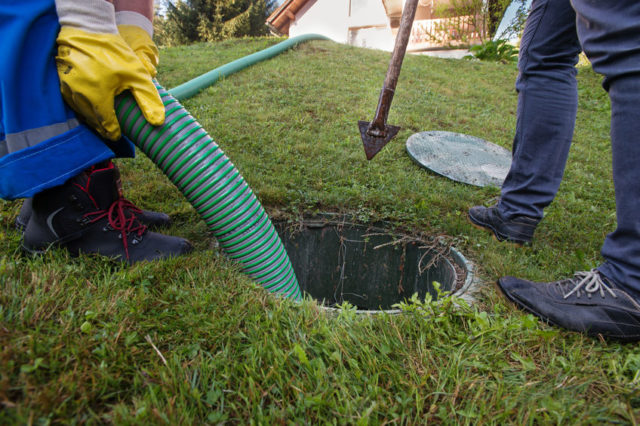
4. Reduce the Risk of Sewage Backups
Few household problems are more unpleasant than a sewage backup.
Backups can damage flooring, walls, furniture and personal belongings while creating serious health hazards.
One of the leading causes of sewage backups is an overfilled septic tank. When the tank reaches capacity, wastewater has nowhere to go and may begin backing up into your home's plumbing.
Routine septic tank cleaning greatly reduces this risk by making sure sufficient space remains inside the tank for normal wastewater flow.
Signs your tank may be overdue for cleaning include:
- Slow drains
- Gurgling sounds
- Sewage odors
- Toilets flushing slowly
- Water backing up into sinks or tubs
Addressing the problem early can help you avoid an expensive emergency.
5. Protect Your Property and the Environment
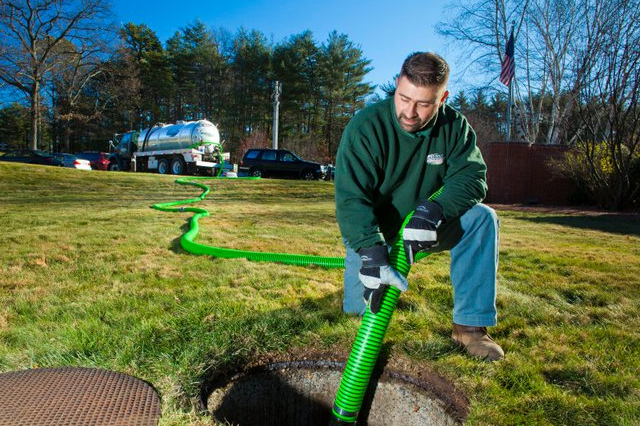
Your septic system doesn't just protect your home — it also helps protect the surrounding environment.
A neglected septic system can allow untreated wastewater to escape into the soil or nearby water sources.
This contamination may affect:
- Groundwater
- Wells
- Streams
- Creeks
- Lakes
- Landscaping
Regular septic tank cleaning will help make sure wastewater is treated properly before leaving your septic tank. It also helps prevent soggy yards, unpleasant odors and wastewater surfacing around your drain field.
Protecting your septic system means protecting your property, your neighbors and local natural resources.
How Often Should Septic Tank Cleaning Be Scheduled?
Most homeowners should schedule septic tank cleaning every three to five years.
However, the ideal schedule depends on several factors, including:
- Household size
- Water usage
- Tank capacity
- Garbage disposal usage
- Age of the septic system
Larger households typically require more frequent service because they produce more wastewater.
A professional septic contractor can recommend the best cleaning schedule for your specific property.
Signs Your Septic Tank Needs Cleaning
While regular maintenance is the best approach, your septic system may also provide warning signs when service is overdue.
Watch for:
If you notice any of these issues, it's important to schedule a professional septic inspection as soon as possible.
What Happens During Septic Tank Cleaning?
Many homeowners wonder what to expect during a professional septic tank cleaning appointment.
The process typically includes:
A thorough cleaning not only removes waste, but also gives technicians an opportunity to identify developing problems before they worsen.
Simple Habits That Help Between Cleanings
Although regular septic tank cleaning is essential, homeowners can also help protect their systems with good daily habits.
Some helpful tips include:
These small habits work together with regular cleaning to keep your septic system performing at its best.
Invest in Routine Septic Tank Cleaning
Your septic system is too important to ignore.
Routine septic tank cleaning is one of the most effective ways to protect your investment, reduce repair costs, improve system performance and extend the life of your septic system.
Instead of waiting for warning signs or costly failures, schedule regular maintenance and enjoy the peace of mind that comes with knowing your septic system is operating efficiently.
A little preventative maintenance today can save thousands of dollars tomorrow.
Ready to Schedule Your Septic Maintenance?
Whether it’s time for routine maintenance or you’re noticing signs of trouble, our septic services are designed to keep your system running efficiently and your home protected.
Frequently Asked Questions
Most septic tanks should be professionally cleaned every three to five years. However, larger households or systems with heavy usage may require more frequent service.