A commercial septic system plays an important role in keeping businesses and organizations operating safely and efficiently. Restaurants, schools, hospitals, churches, offices, industrial facilities, warehouses and other commercial properties can produce significant amounts of wastewater every day. Without proper maintenance, even a small septic issue can quickly become a major disruption.
Unlike residential septic systems, commercial systems often handle higher wastewater volumes and may include more complex equipment, such as grinder pumps, lift stations, control panels and grease traps. Because of this, businesses need a proactive maintenance strategy rather than waiting until something goes wrong.
Regular inspections, pumping, cleaning, equipment checks and professional maintenance can help extend the life of your system while reducing the risk of unexpected downtime and expensive repairs.
Here are some of the best practices businesses should follow when maintaining a commercial septic system.
Table of Contents
1. Schedule Regular Septic Inspections
One of the most important steps in maintaining a commercial septic system is scheduling regular inspections.
A professional inspection can identify developing problems before they become major failures. During an inspection, a technician will evaluate important components of the system and look for signs of damage, wear, blockages or other issues.
Commercial properties should not wait until they notice a problem before scheduling an inspection.
Inspections can help identify issues such as:
The appropriate inspection schedule depends on the type of system, wastewater volume, equipment and usage. Working with a professional septic provider can help you establish a schedule based on your property's needs.
2. Create a Maintenance Schedule
A maintenance schedule takes septic care from an occasional task to an ongoing part of facility management.
Instead of reacting to emergencies, businesses can establish routine service intervals for inspections, pumping, cleaning and equipment maintenance. This approach makes it easier to identify problems early and keep important components operating properly.
A commercial septic maintenance plan may include:
The exact schedule should be based on the property's wastewater production and system requirements.
At All American Septic, commercial customers can establish ongoing maintenance programs designed around their specific needs. Regular maintenance can help prevent unnecessary emergencies and minimize disruptions to business operations.
3. Keep Grease Traps and Septic Traps Clean
Restaurants and other businesses that produce grease and food waste need to pay special attention to their traps.
Grease can accumulate inside a system and eventually create blockages or interfere with normal wastewater flow. If a grease trap becomes too full, the resulting problem can lead to unpleasant odors, backups or business downtime.
Regular trap cleaning is particularly important for:
Rather than waiting for a trap to become full or cause a backup, businesses should establish a regular cleaning schedule.
All American Septic provides trap cleaning services and can help commercial customers establish recurring maintenance plans. Keeping traps properly maintained is one of the simplest ways to reduce the risk of an unexpected wastewater problem.
4. Monitor the Pumps
Pumps are critical components of many commercial septic systems. Depending on the property's layout and wastewater requirements, a system may use grinder pumps, Vortech pumps or other pumping equipment.
Grinder pumps are particularly useful for commercial applications involving high-pressure pumping situations. For example, some properties may need to move wastewater significant distances or pump wastewater up a substantial incline.
Because pumps perform such an important job, they should be inspected and maintained regularly.
Businesses should watch for warning signs such as:
Addressing pump problems early can help prevent a relatively small repair from turning into a major system failure.
5. Maintain Lift Stations
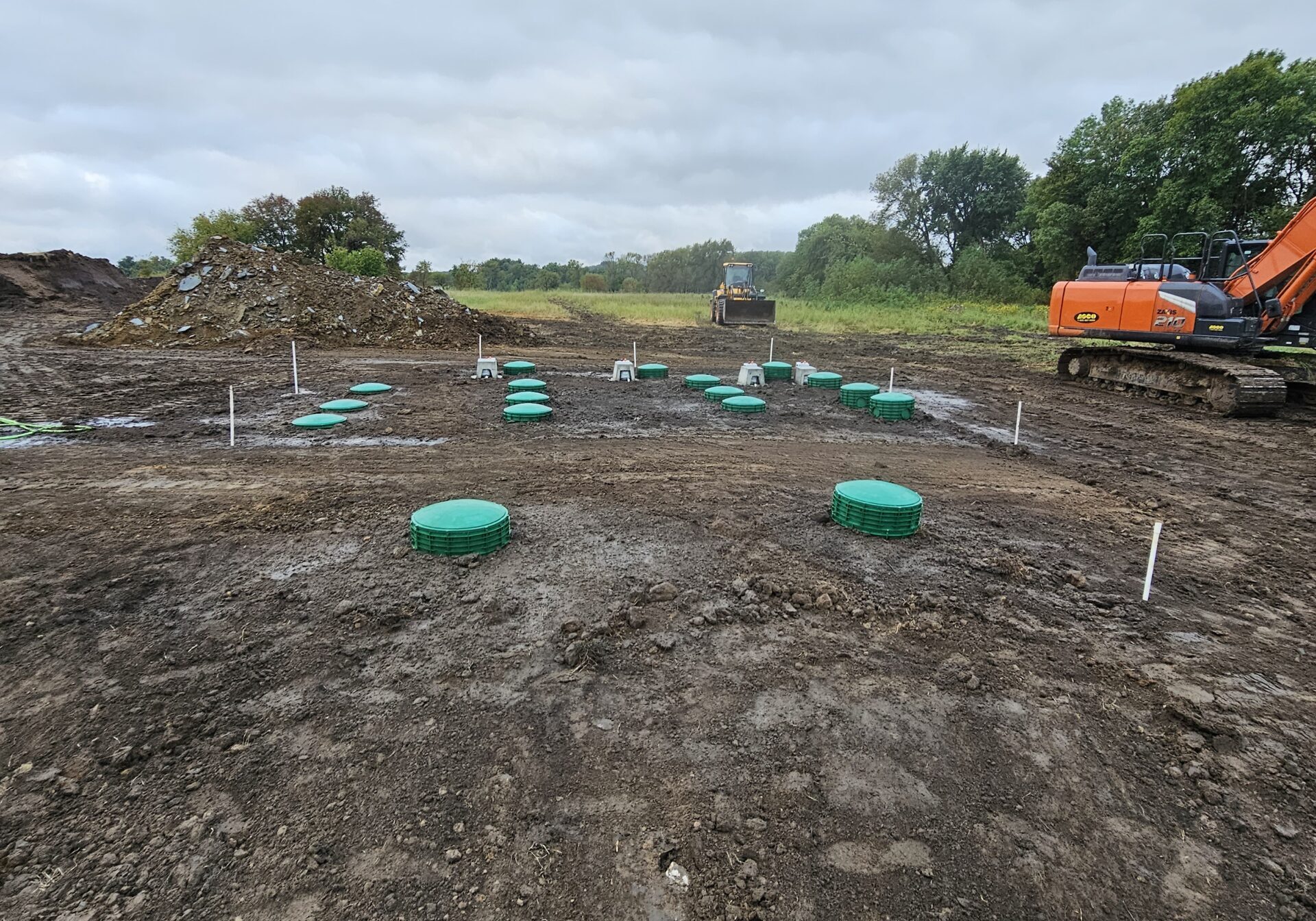
Some commercial properties require a lift station to move wastewater where gravity alone cannot provide adequate flow.
A septic lift station typically includes components such as a transfer pump, distribution box and piping. Because these components are essential to wastewater movement, lift stations require regular inspections and maintenance.
Businesses should also make sure any alarm systems associated with the lift station are tested periodically. An alarm is only useful if it works when there is a problem.
Common lift station issues can include:
Regular professional inspections can help identify these issues before they cause a wastewater backup or operational shutdown.
6. Pay Attention to Control Panels and Alarms
Modern commercial septic systems may use control panels to monitor and manage important components of the system.
A control panel can provide businesses with greater visibility into how their septic equipment is operating. Depending on the system, it may also help identify alarms or equipment problems that require attention.
Employees or facility managers should know where the control panel is located and understand what the system's alarms indicate.
If an alarm activates, don't simply reset it and ignore the problem. An alarm may be an early warning that a pump, electrical component or another part of the system needs professional attention.
Regular control panel inspections can help make sure these systems continue working as intended.
7. Be Careful About What Goes Down the Drains
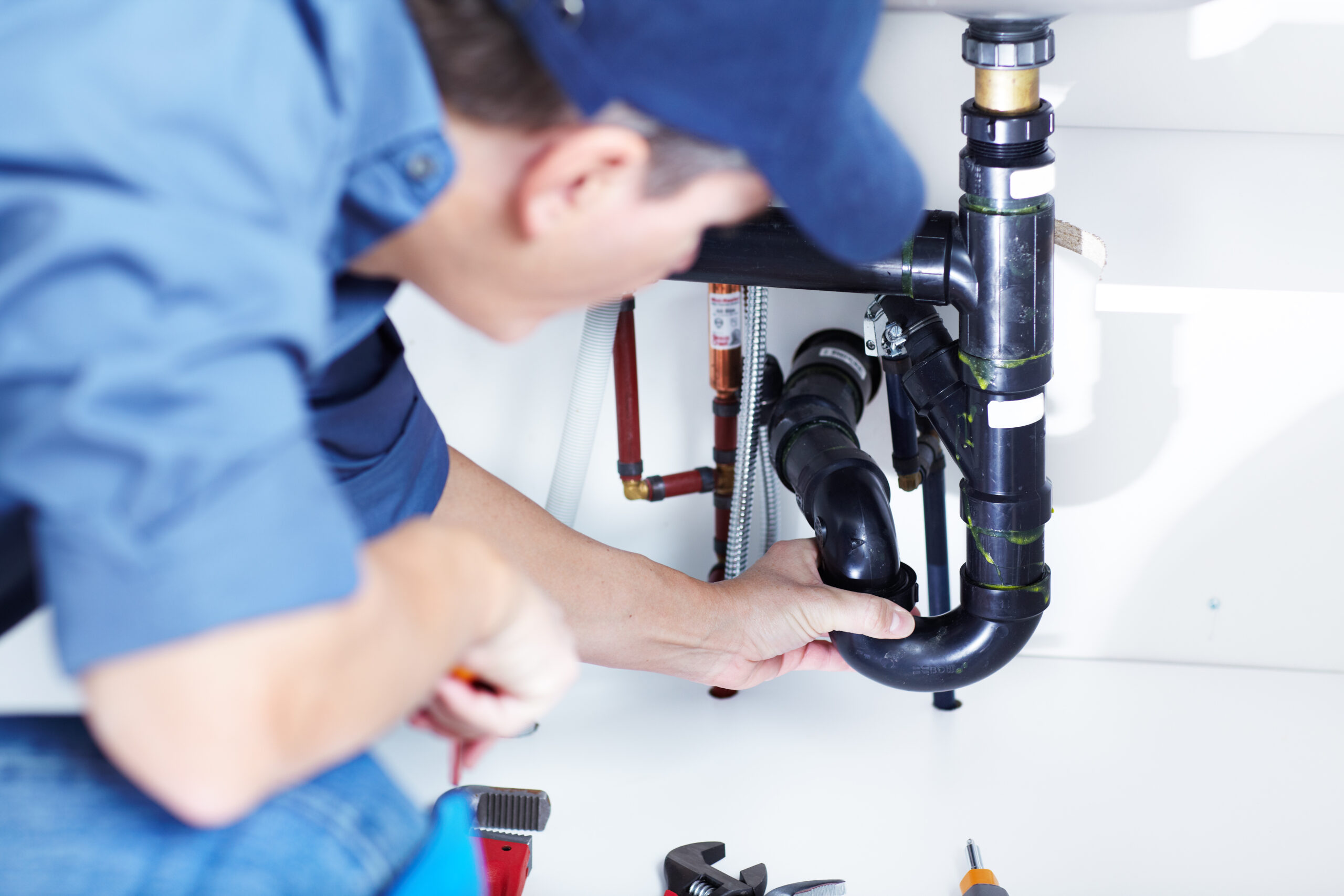
What goes down a commercial drain can have a significant impact on septic system performance.
Businesses should have clear policies about what employees can and cannot put into sinks, toilets, floor drains and other wastewater lines.
Items that can create problems include:
Employee training can be especially important for restaurants, schools, healthcare facilities and other businesses with multiple people using the plumbing system.
Simple signage and staff education can prevent materials from entering the system and causing avoidable problems.
8. Watch for Warning Signs of Septic Problems
Even with regular maintenance, businesses should pay attention to changes in system performance.
Early warning signs can indicate that your commercial septic system needs professional attention.
Early warning signs of septic problems include:
One warning sign may not always indicate a complete system failure. However, ignoring these symptoms can allow a minor issue to become much more expensive.
If you notice a change in how your system operates, contact a professional septic company for an evaluation.
9. Don't Wait Until an Emergency
Emergency septic problems are especially disruptive for commercial properties.
A restaurant may have to stop serving customers because of a wastewater backup. A school or healthcare facility may face significant operational challenges. An industrial facility may experience downtime while a septic problem is addressed.
That is why preventive maintenance is so valuable.
Routine inspections, pumping, trap cleaning, pump maintenance and lift station service can reduce the likelihood of unexpected failures. While no maintenance plan can eliminate every possible problem, proactive care can help businesses identify issues before they become emergencies.
When an emergency does happen, having an established relationship with a commercial septic provider can also make it easier to get professional assistance quickly.
10. Work With a Commercial Septic Professional
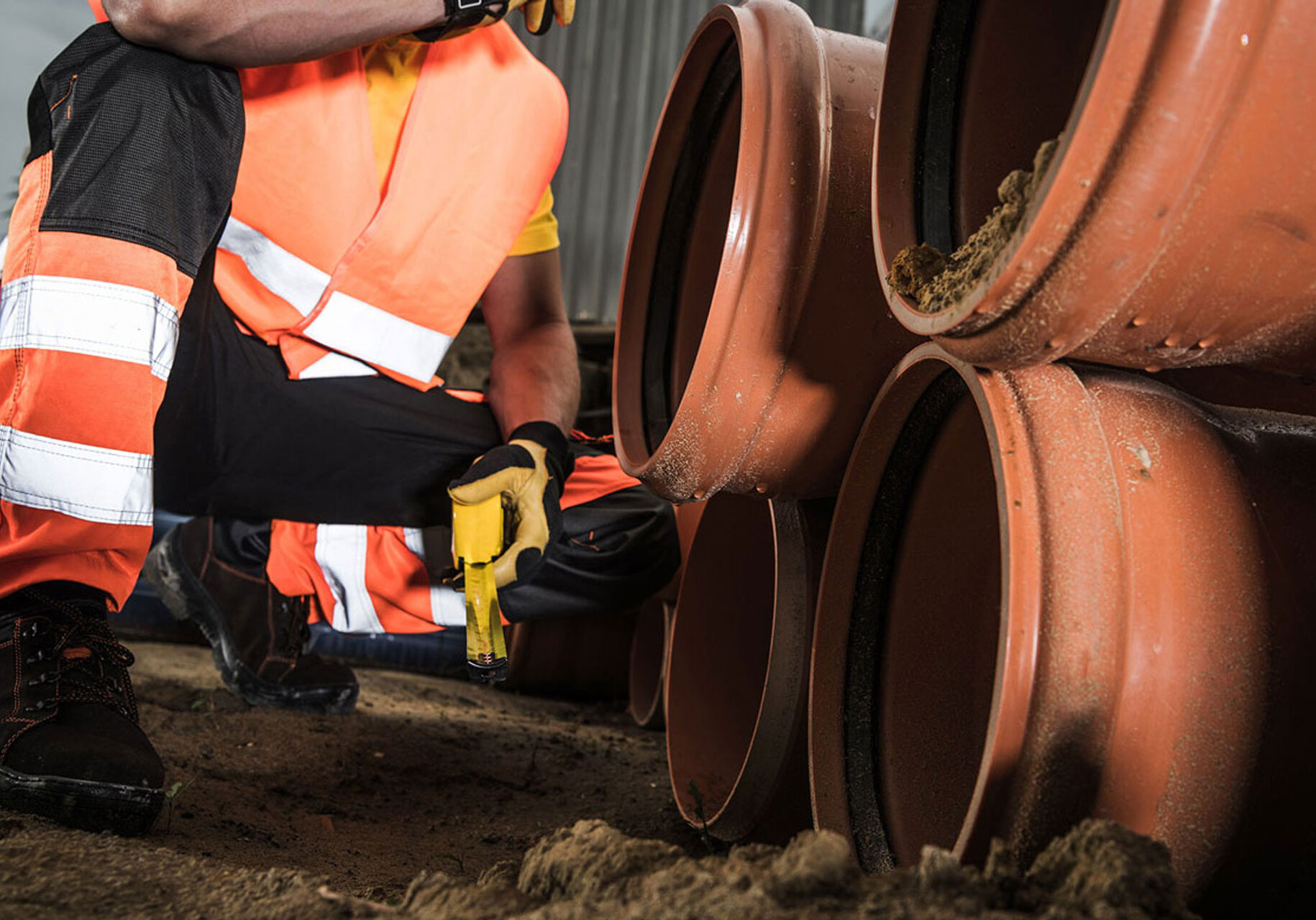
Commercial septic systems can vary significantly from one property to another. A restaurant may have very different requirements than a church, school, office building, industrial facility or other commercial property.
Because of these differences, maintenance should be customized to the system and the business.
A professional septic company can evaluate the property's specific needs and recommend an appropriate maintenance strategy.
All American Septic works with commercial properties throughout Northeast Oklahoma to address their unique septic needs.
Protect Your Business With Proactive Septic Maintenance
Maintaining a commercial septic system is about more than preventing an unpleasant backup. Proper maintenance helps protect your employees, customers, property and business operations.
The best approach is to establish a proactive maintenance schedule that includes inspections, pumping, trap cleaning, equipment checks and professional service when needed. Businesses should also train employees on proper drain use and respond quickly when warning signs appear.
By taking care of problems early, you can reduce the risk of unexpected downtime and help your septic system operate reliably for years to come.
All American Septic provides commercial septic solutions for businesses and organizations throughout Northeast Oklahoma. Whether you need routine maintenance, inspections or emergency septic repairs, our team can help develop a solution based on your property's needs.
If your business needs dependable septic maintenance, contact All American Septic to discuss your commercial septic system and create a maintenance plan that works for your facility.
Frequently Asked Questions
The ideal inspection schedule depends on the system's design, wastewater volume, equipment and usage. Businesses should work with a professional septic provider to establish an inspection schedule based on their specific needs.