
For many homeowners, septic systems are “out of sight, out of mind.”
When everything seems to be working fine, it’s easy to postpone routine service or assume maintenance isn’t urgent. Unfortunately, ignoring septic system maintenance often leads to costly, disruptive and preventable problems.
From expensive repairs and property damage to health risks and reduced home value, the true cost of neglect can add up quickly.
Understanding what’s at stake — and why routine maintenance matters — can save you thousands of dollars and a great deal of stress.
In this guide, we’ll break down the hidden costs of ignoring septic system maintenance, how problems develop and what homeowners can do to protect their investment.
Why Septic System Maintenance Is Often Overlooked
Septic systems don’t require daily attention, which is both a blessing and a curse. Because problems develop gradually and underground, homeowners may not notice issues until damage has already occurred.
Table of Contents
Common reasons maintenance is ignored include:
- Belief that septic systems are “set it and forget it”
- No visible warning signs early on
- Lack of understanding about maintenance schedules
- Attempting to save money in the short term
- Assuming pumping alone is enough
However, septic systems rely on regular care to function correctly. When maintenance is skipped, small issues turn into major failures.
A Closer Look at the Hidden Costs
Hidden Cost #1: Expensive Septic Repairs
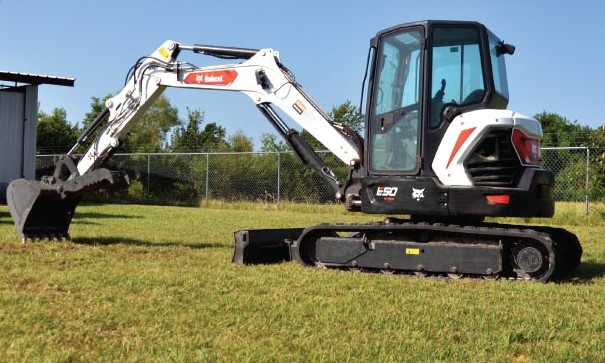
One of the biggest consequences of neglecting septic system maintenance is unexpected septic repair costs. Routine inspections and pumping are relatively affordable compared to emergency repairs.
Ignoring maintenance can lead to:
- Failed tank baffles
- Malfunctioning pumps
- Clogged distribution boxes
- Damaged drain fields
What might have been a simple fix can quickly turn into thousands of dollars in repair expenses. In some cases, repairs are not possible, forcing full system replacement.
Hidden Cost #2: Premature Septic System Replacement
A properly maintained septic system can last 25 to 40 years or more. Without maintenance, that lifespan can be cut in half.
Sludge buildup, untreated solids and hydraulic overload place constant stress on your system. Over time, this damages the tank and drain field beyond repair.
Routine septic system maintenance helps extend the life of your system and delays a costly septic replacement for decades.
Hidden Cost #3: Drain Field Failure
Your drain field is one of the most expensive and vulnerable parts of your septic system.
When maintenance is ignored, solids and grease escape the tank and clog the drain field.
Signs of drain field failure include:
- Standing water in the yard
- Sewage odors outdoors
- Lush, overly green grass
- Slow drains throughout the home
Once a drain field fails, repairs are limited and expensive.
In many cases, replacement is the only option — requiring excavation, landscaping damage and significant cost.
Hidden Cost #4: Sewage Backups Inside the Home
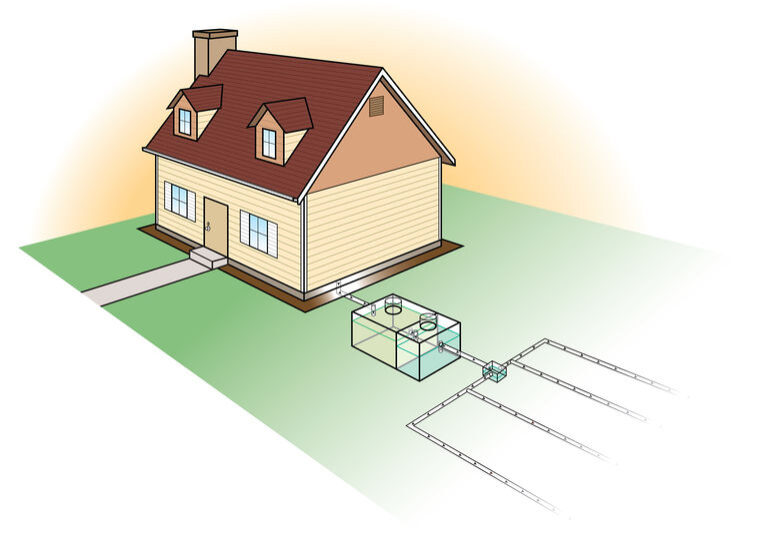
One of the most unpleasant results of poor septic system maintenance is sewage backing up into sinks, tubs, toilets or floor drains.
This type of backup can:
- Damage flooring, drywall and furniture
- Create biohazard conditions
- Require professional cleanup and sanitation
- Disrupt daily life and displace occupants
Even one backup incident can cost more than years of routine maintenance.
Hidden Cost #5: Health Risks to Your Family
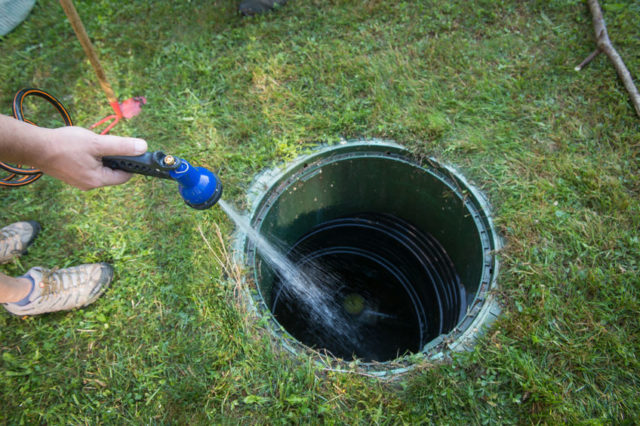
A failing septic system doesn’t just affect plumbing — it can pose serious health risks. Untreated wastewater contains harmful bacteria, viruses and pathogens that can contaminate:
- Indoor living spaces
- Soil around the home
- Nearby groundwater and wells
Exposure to sewage can lead to illnesses, skin infections, gastrointestinal issues and respiratory problems. Children, elderly individuals and those with compromised immune systems are especially vulnerable.
Consistent septic system maintenance helps protect your family’s health by making sure wastewater is properly treated and contained.
Hidden Cost #6: Environmental Damage
Neglecting your septic system doesn’t just impact your property — it can harm the surrounding environment. Leaking or failing systems allow untreated wastewater to enter soil, streams and groundwater.
Environmental consequences may include:
- Contaminated drinking water sources
- Polluted lakes, rivers and ponds
- Damage to local ecosystems
- Increased algae growth and nutrient overload
Many environmental issues tied to septic systems are preventable with routine inspections and maintenance.
Hidden Cost #7: Higher Utility and Water Bills
When a septic system is struggling, homeowners often experience slow drains and clogs. This leads to increased water usage as occupants run water longer or attempt DIY fixes that don’t solve the root problem.
A poorly maintained system also struggles to process normal water loads efficiently, placing stress on pumps and components — which increases energy usage in pump-driven or aerobic systems.
Over time, these inefficiencies can cause homeowners to unknowingly waste hundreds of gallons of water each month. Small issues like partial blockages or saturated drain fields force the system to work harder than necessary, driving up water bills.
Regular septic system maintenance keeps your system running efficiently and helps control long-term utility costs.
Hidden Cost #8: Emergency Service Fees
Neglecting maintenance increases the likelihood of emergency septic service calls — often during nights, weekends or holidays.
Emergency septic services typically cost more due to:
- Urgent scheduling
- After-hours labor
- Severe system damage
- Additional cleanup requirements
Preventive maintenance drastically reduces the chance of emergency failures and the premium costs that come with them.
Hidden Cost #9: Reduced Property Value
A neglected septic system can negatively affect your home’s value and marketability.
During real estate transactions, septic inspections are often required.
If issues are discovered, buyers may:
- Request costly repairs before closing
- Reduce their offer price
- Walk away from the sale entirely
Keeping detailed records of septic system maintenance reassures buyers and helps protect your home’s resale value.
Hidden Cost #10: Stress, Inconvenience and Disruption
Beyond financial costs, septic failures cause significant stress. Dealing with sewage odors, unusable bathrooms, repair crews and yard excavation can disrupt daily life for weeks.
Routine septic system maintenance provides peace of mind, knowing your system is reliable and unlikely to fail at the worst possible time.
What Proper Septic System Maintenance Includes
Effective septic system maintenance goes beyond pumping alone.
A comprehensive approach includes:
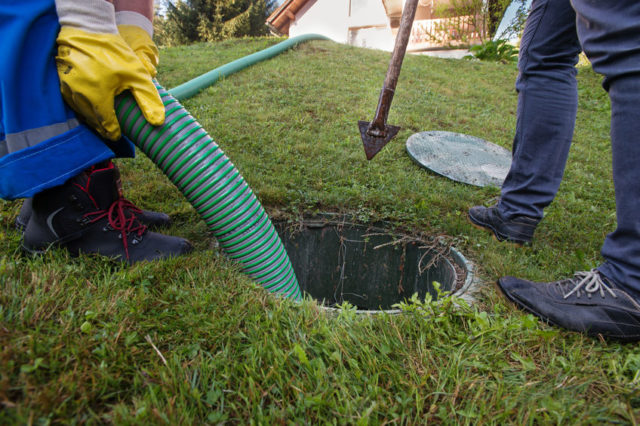
- Regular septic tank pumping
- Visual and functional inspections
- Sludge and scum level measurement
- Checking tank baffles and filters
- Evaluating drain field performance
- Pump and alarm testing (if applicable)
- Aerobic system maintenance and treatment
Working with a professional septic service provider ensures all components are properly maintained.
How Often Should Septic System Maintenance Be Performed?
While every system is different, general guidelines include:
- Septic pumping: Every 1 to 3 years
- System inspections: Annually
- Aerobic system service: Every 3 to 6 months
- Filter cleaning: As recommended by manufacturer
Household size, water usage, tank size and system type all influence maintenance frequency.
Warning Signs You’ve Delayed Maintenance Too Long
If you notice any of the following, your system may already be under stress:
- Slow drains throughout the home
- Gurgling sounds in plumbing
- Sewage odors indoors or outdoors
- Standing water near the tank or drain field
- Unusually green grass over septic areas
Addressing these signs early can prevent catastrophic failure.
Why Professional Maintenance Matters
DIY septic care often focuses on quick fixes or additives that don’t address underlying issues.
Professional septic system maintenance ensures:
- Accurate diagnosis of problems
- Compliance with local regulations
- Proper handling of waste
- Long-term system performance
A trusted septic service provider helps you avoid unnecessary repairs and protects your system investment.
Frequently Asked Questions (FAQs) About Septic System Maintenance
The True Cost of Neglect
Ignoring septic system maintenance may save money in the short term, but it almost always leads to higher costs down the road. Repairs, replacements, health risks, environmental damage and stress can all be avoided with routine care.
By investing in proper septic system maintenance today, you protect your home, your family and your financial future — making sure your system works reliably for years to come.
 Contact All American Septic today to schedule your septic system maintenance and keep your system running smoothly year after year.