
If you own a home or business with a septic system, routine septic tank pumping is one of the most important services you can schedule.
While many property owners understand that pumping is necessary, they often aren’t sure what actually happens during the appointment, how long it takes or how to prepare.
Understanding the septic tank pumping process helps eliminate uncertainty and ensures your system stays in excellent working condition.
In this guide, we’ll walk you through what septic tank pumping involves, why it matters, how often it should be done and what you can expect before, during and after service.
Why Septic Tank Pumping Is Essential
Your septic tank is designed to separate wastewater into three layers:
- Scum (oils and grease floating on top)
- Effluent (liquid wastewater in the middle)
- Sludge (solids that settle at the bottom)
Table of Contents
Over time, sludge and scum accumulate. Without regular septic tank pumping, these solids can overflow into the drain field, leading to clogs, system failure and costly repairs.
Routine septic tank pumping:
- Prevents sewage backups
- Protects your drain field
- Extends the life of your septic system
- Reduces odors and slow drains
- Helps avoid expensive septic replacement
Skipping septic tank pumping may save money in the short term, but it almost always leads to higher costs down the road.
How Often Should a Septic Tank Be Pumped?
The frequency of septic tank pumping depends on several factors:
- Household size
- Tank size
- Daily water usage
- Presence of garbage disposals
- System type (gravity, pump, aerobic)
Most residential septic systems require pumping appointments every 1 to 3 years. Larger households or smaller tanks may need more frequent service.
Commercial systems often require pumping every 6 to 12 months due to heavier usage.
The best way to determine the right schedule is through professional inspections that measure sludge levels inside the tank.
Signs You May Need Septic Tank Pumping
While regular scheduling is ideal, certain warning signs indicate it’s time to pump your septic tank:
- Slow draining sinks or tubs
- Gurgling sounds in plumbing
- Sewage odors indoors or outside
- Standing water near the drain field
- Frequent toilet backups
- Lush, unusually green grass over the septic area
If you notice any of these symptoms, don’t delay pumping your septic tank. Early service can prevent system failure.
What to Expect Before Septic Tank Pumping
Preparation is simple, but a few steps can make the process smoother:
1. Locate the Septic Tank
If you know where your septic tank lid is located, clearing access ahead of time helps speed up the process. If you’re unsure, your technician can locate it.
2. Clear the Area
Remove vehicles, lawn furniture or obstacles from the area above the tank. This allows the pump truck to park safely and efficiently.
3. Provide System Information
If you have records of previous septic tank pumping or repairs, share them with your technician. This provides helpful insight into your system’s history.
Step-by-Step: The Septic Tank Pumping Process
Understanding what happens during the pumping process can give you peace of mind.
Step 1: Inspection and Access
The technician locates and uncovers the septic tank lid. They inspect the tank’s structural condition, check for cracks or leaks and measure sludge and scum levels.
Step 2: Breaking Up Solids
Before pumping begins, solids are often stirred or agitated to break up compacted sludge. This ensures thorough septic tank pumping and complete removal of waste.
Step 3: Pumping the Tank
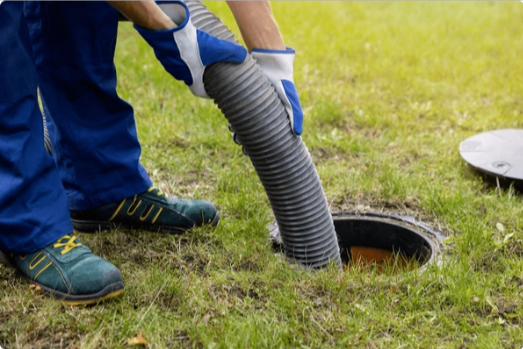
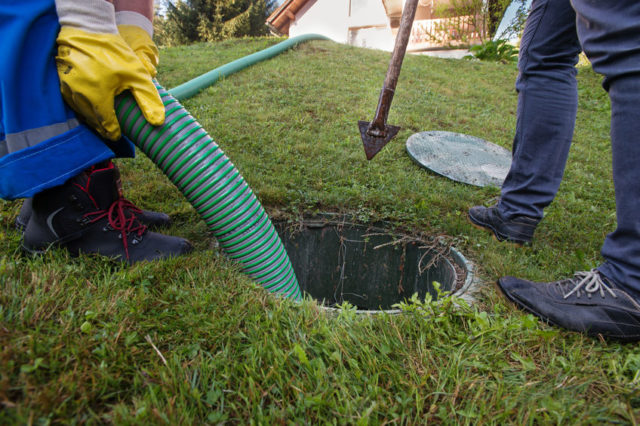
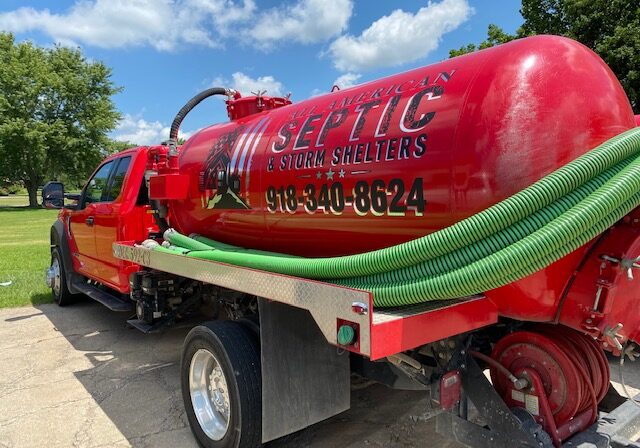
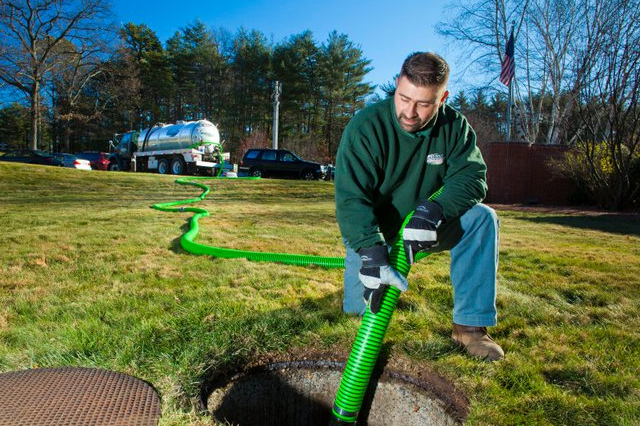
A vacuum hose connected to a pump truck removes all liquids and solids from the tank. Professional septic tank pumping removes both sludge and scum — not just liquid effluent.
Step 4: Tank Cleaning
After pumping, the technician may rinse the interior walls to remove residual buildup. This helps restore optimal tank capacity.
Step 5: Component Check
During the pumping process, professionals inspect:
- Inlet and outlet baffles
- Filters
- Pump components (if applicable)
- Tank integrity
This inspection allows early detection of potential issues.
Step 6: Secure Closure
Once septic tank pumping is complete, the lid is securely replaced, and the area is cleaned up.
How Long Does Septic Tank Pumping Take?
Most septic tank pumping appointments take 30 minutes to 1 hour, depending on tank size, accessibility and sludge buildup.
If additional repairs or inspections are needed, the appointment may take longer. However, routine pumping is typically quick and minimally disruptive.
Will the Pumping Process Damage My Yard?
Many homeowners worry about lawn damage during the septic tank pumping process.
Professional companies take precautions to protect your property:
- Using smaller pump trucks when possible
- Parking strategically to avoid ruts
- Minimizing digging
- Restoring the area after service
When performed correctly, the pumping process causes little to no long-term yard impact.
What Happens After Septic Tank Pumping?
After your septic tank is pumped, your system should function more efficiently. You may notice:
- Faster draining sinks and tubs
- Reduced odors
- Improved toilet flushing
- Quieter plumbing
Technicians may also provide maintenance recommendations to keep your septic system operating properly between pumping appointments.
The Risks of Skipping Pumping Appointments
Failing to schedule regular septic tank pumping can lead to serious consequences:
- Drain field clogging
- Sewage backups
- Environmental contamination
- Health hazards
- System replacement
Septic system replacement can cost several thousand dollars — far more than the cost of routine pumping appointments.
Septic Tank Pumping for Different System Types
Gravity Systems
These rely on natural flow. Pumping appointments prevent solids from reaching the drain field.
Pump Systems
Mechanical pumps move wastewater. Regular septic tank pumping reduces strain on pump components.
Aerobic Systems
These systems use oxygen for treatment. Pumping appointments ensure proper bacterial balance and prevent overload.
No matter the system type, septic tank pumping plays a vital role in performance and longevity.
Tips to Extend the Time Between Pumping
While septic tank pumping must be done regularly, you can help reduce strain on your system:
- Spread out laundry loads
- Fix plumbing leaks promptly
- Avoid flushing wipes or hygiene products
- Limit grease disposal
- Avoid harsh chemicals
Responsible water use and proper waste disposal help maintain your septic system between pumping appointments.
Choosing a Professional for Pumping Appointments
When selecting a provider for the pumping process, look for:
- Proper licensing and insurance
- Positive customer reviews
- Full tank pumping (not partial removal)
- Knowledge of local regulations
Professional septic tank pumping ensures the job is done safely, thoroughly and in compliance with environmental standards.
Securing Your System’s Longevity
Routine septic tank pumping is one of the simplest and most effective ways to protect your septic system.
By understanding what to expect from the pumping process, you can schedule service confidently and avoid costly surprises.
Pumping appointments will keep your system efficient, prevent backups and extend its lifespan. When performed regularly by trained professionals, it safeguards your home, your property and your peace of mind.
If it’s been a while since your last pumping appointment, now is the perfect time to schedule service and keep your system running smoothly. Contact our team today!