
For many businesses across Oklahoma, commercial septic systems are a critical part of daily operations.
Restaurants, office buildings, retail centers, warehouses, manufacturing facilities, churches, schools and agricultural operations all rely on properly functioning septic systems to manage wastewater safely and efficiently.
Unlike residential systems, commercial septic systems are designed to handle higher volumes of wastewater, heavier usage patterns and stricter regulatory requirements. When problems arise, they can lead to costly repairs, business downtime, health code violations or even temporary closures. That’s why it’s essential for business owners to understand how commercial septic systems work, what makes them different and how to maintain them properly.
In this guide, we’ll break down everything business owners should know about commercial septic systems, including system types, maintenance requirements, warning signs of trouble, compliance considerations and how proactive care can protect your investment.
Table of Contents
What Are Commercial Septic Systems?
Commercial septic systems are wastewater treatment systems designed to serve non-residential properties. While the basic function is similar to residential septic systems — collecting, treating and dispersing wastewater — the scale and complexity are significantly greater.
These systems must accommodate:
- Higher daily water usage
- Variable flow rates throughout the day
- Greater volumes of grease, solids and chemicals
- Increased wear on tanks, pumps and drain fields
Because of these demands, commercial septic systems often require specialized components, advanced treatment technologies and more frequent maintenance.
Common Types of Commercial Septic Systems
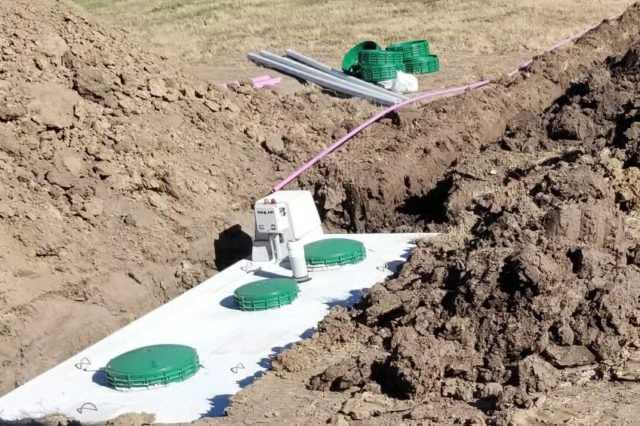
There is no one-size-fits-all solution when it comes to commercial septic systems. The type of system used depends on factors such as property size, soil conditions, wastewater volume and local regulations.
Gravity-Fed Commercial Septic Systems
Gravity systems use a natural slope to move wastewater from the building to the septic tank and drain field. While simple and cost-effective, they are only suitable for properties with favorable terrain and consistent wastewater flow.
Pump-Based Commercial Septic Systems
When gravity alone isn’t sufficient, pump systems are used to move wastewater through the system. These are common for larger facilities or properties with flat land. Pumps allow for better control of effluent flow but require regular inspection and maintenance.
Aerobic Treatment Units (ATUs)
Aerobic commercial septic systems use oxygen to break down wastewater more efficiently. These systems are often required for businesses with high wastewater output or properties located near sensitive environmental areas. While more expensive upfront, ATUs provide superior treatment and environmental protection.
Advanced Treatment Systems
Some commercial properties require advanced treatment systems that include filtration, UV disinfection or multi-stage treatment. These systems are often mandated by health departments for restaurants, food-processing facilities or high-occupancy buildings.
Why Commercial Septic Systems Require More Maintenance
One of the biggest mistakes business owners make is assuming septic maintenance is the same for residential and commercial properties. In reality, commercial septic systems require more frequent inspections, pumping and monitoring.
Higher usage leads to:
- Faster sludge and scum buildup
- Increased risk of clogs and backups
- Greater strain on pumps and mechanical components
- Higher potential for drain field saturation
Without regular maintenance, small issues can quickly escalate into system failures that disrupt operations and result in expensive emergency repairs.
Industry-Specific Septic Considerations
Different types of businesses place different demands on their septic systems.
Restaurants and Food Service Businesses
Grease, fats and food waste are major threats to commercial septic systems. Grease traps and frequent pumping are essential to prevent blockages and system overload.
Offices and Retail Buildings
While wastewater is typically lighter, high occupancy and daily use still require routine inspections and scheduled maintenance.
Manufacturing and Industrial Facilities
Chemical exposure, heavy solids and variable water flow make septic system design and monitoring especially important for industrial properties.
Agricultural and Rural Businesses
Livestock operations, processing facilities and farm offices often require larger tanks and specialized systems to manage organic waste safely.
Signs Your Commercial Septic System Needs Attention
Recognizing early warning signs can help business owners avoid costly downtime. Common indicators of septic issues include:
- Slow drains throughout the building
- Gurgling sounds in plumbing fixtures
- Unpleasant odors near drains or outdoors
- Standing water near the drain field
- Frequent plumbing backups
- Alarms triggered on pump or aerobic systems
Ignoring these symptoms can lead to system failure, environmental contamination or health department violations.
Regulatory Compliance and Health Department Requirements
Commercial septic systems are subject to stricter regulations than residential systems. Business owners must comply with local, county and state health department requirements, which may include:
- Regular septic inspections
- Documented pumping schedules
- Maintenance records
- System upgrades or modifications
- Environmental impact assessments
Failure to remain compliant can result in fines, operational restrictions or forced system replacement. Working with a licensed septic professional ensures your commercial septic system stays up to code.
The Importance of Scheduled Inspections
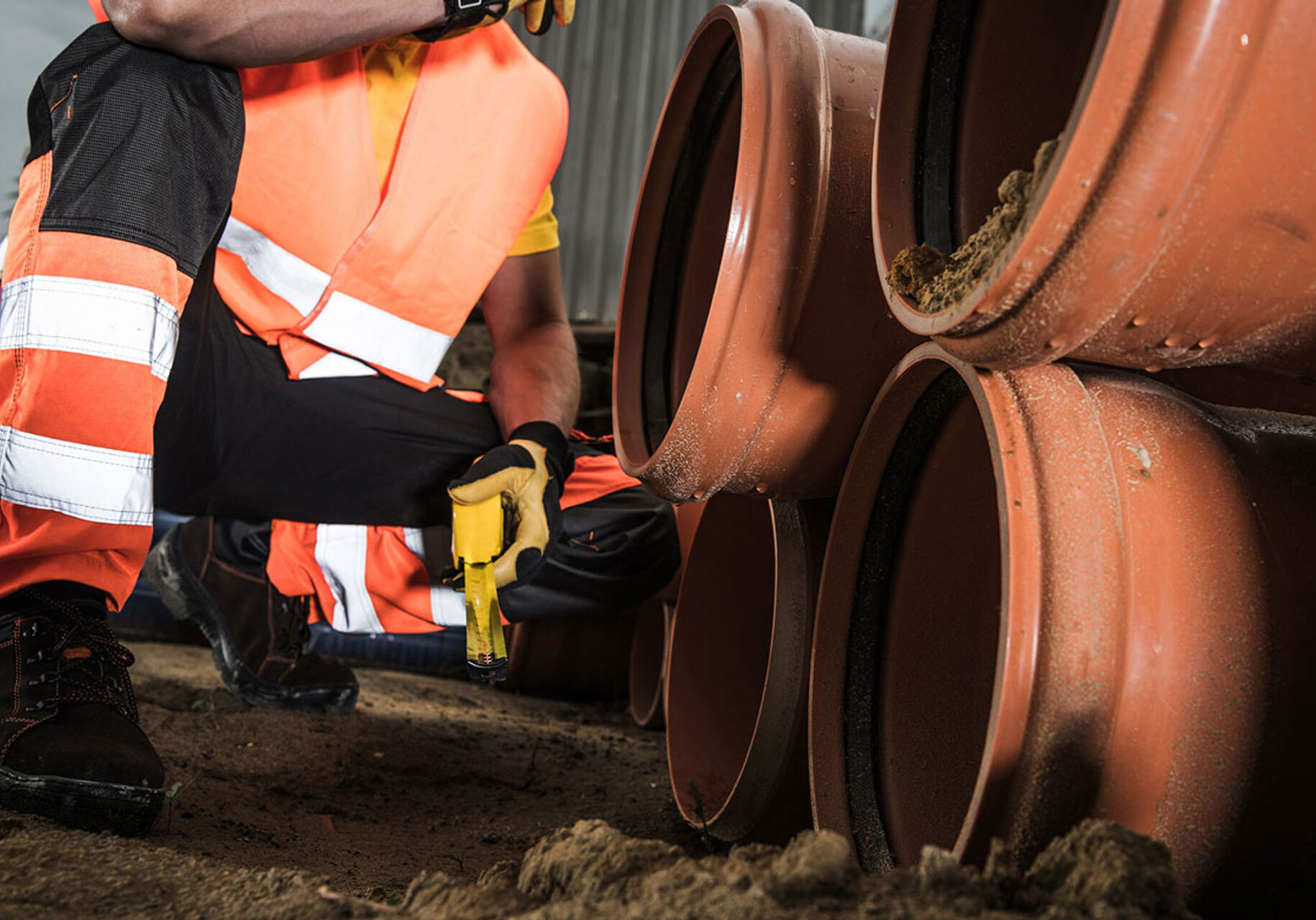
Routine septic inspections are one of the most effective ways to protect your commercial septic systems.
Inspections allow professionals to:
- Measure sludge and scum levels
- Evaluate tank and pump condition
- Check drain field performance
- Identify leaks, cracks or blockages
- Make sure system components are functioning properly
Many businesses benefit from annual or semi-annual inspections, depending on usage levels.
Pumping Frequency for Commercial Septic Systems
Commercial septic systems typically need to be pumped more frequently than residential systems. While homes may require pumping every 1 to 3 years, businesses often need service every 6 to 12 months.
Factors that influence pumping frequency include:
- Number of employees or customers
- Type of business
- Tank size
- Wastewater volume
- Presence of grease or solids
Regular pumping prevents solids from entering the drain field and extends the life of the entire system.
Cost Savings of Proactive Septic Maintenance
While routine maintenance may seem like an added expense, it’s far more affordable than emergency repairs or system replacement. Proactive care helps business owners:
- Avoid unexpected downtime
- Reduce repair and replacement costs
- Extend system lifespan
- Protect property value
- Maintain health code compliance
In many cases, a well-maintained commercial septic system can last 25 to 40 years or longer.
Choosing the Right Septic Service Provider
Not all septic professionals are equipped to handle commercial systems.
Business owners should look for providers with:
- Commercial septic experience
- Proper licensing and certifications
- Knowledge of local regulations
- Emergency service availability
- Preventative maintenance programs
A trusted septic professional becomes a long-term partner in protecting your business operations.
Planning for Future Growth
If your business plans to expand, your septic system must be evaluated to make sure it can handle increased demand. Adding employees, restrooms, equipment or service capacity without upgrading the septic system can lead to premature failure.
A professional septic evaluation can help determine whether modifications or system upgrades are necessary before expansion begins.
FAQs About Commercial Septic Systems
Final Thoughts on Commercial Septic Systems
Understanding how commercial septic systems work and what they require is essential for business owners who want to protect their operations, employees and customers. With proper system design, regular maintenance and professional support, commercial septic systems can operate efficiently for many years.
By staying proactive and informed, business owners can avoid costly repairs, remain compliant with regulations and make sure their wastewater systems never interfere with daily operations.
Need expert guidance for your commercial septic system? Contact us today to schedule a consultation.