Buying or selling a home is one of the biggest financial decisions most people will ever make.
While buyers often focus on roofing, plumbing, electrical systems and foundation integrity, one critical component is sometimes overlooked — the septic system. That’s where septic inspections play a vital role.
If a property relies on a septic system, scheduling a professional inspection before closing can prevent costly surprises, protect negotiations and ensure the system is functioning properly.
Whether you are a buyer seeking peace of mind or a seller wanting to avoid delays, inspections are an essential step in the real estate process.
In this guide, we’ll explain why septic inspections matter, what they include, when to schedule them and how they protect both parties in a real estate transaction.
What Are Septic Inspections?
Table of Contents
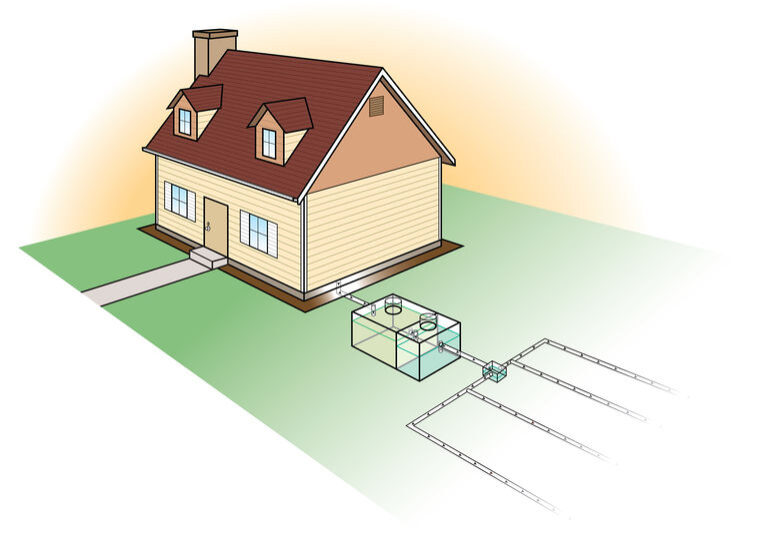
Septic inspections are detailed evaluations of a property’s septic system to determine its condition, functionality and compliance with local regulations. Unlike a general home inspection, inspections on a septic system focus specifically on the wastewater treatment system, including the tank, pipes, drain field and mechanical components.
Professional septic inspections assess:
- Sludge and scum levels inside the tank
- Structural condition of the tank
- Inlet and outlet baffles
- Pumps and electrical components (if applicable)
- Drain field performance
- Signs of leaks, backups or system failure
Because septic systems are buried underground, inspections are often the only way to identify hidden issues before they become expensive problems.
Why Septic Inspections Are Important for Buyers
For homebuyers, inspections on the septic system provide clarity and protection. A septic system replacement can cost thousands of dollars, making inspections a smart investment before finalizing a purchase.
1. Avoid Unexpected Repair Costs
Without inspections, buyers may inherit a failing system. Problems such as cracked tanks, clogged drain fields or broken pumps may not be visible during a standard home inspection. Septic inspections uncover these hidden issues before you sign on the dotted line.
2. Strengthen Negotiations
If an inspection on the septic system reveals needed repairs, buyers can negotiate repairs, price reductions or seller credits. This leverage can make a significant difference in the final transaction terms.
3. Protect Health and Safety
A failing septic system can cause sewage backups, foul odors and groundwater contamination. Inspections ensure the system safely processes wastewater and does not pose a health risk.
4. Ensure Proper System Size
Septic inspections confirm whether the system is properly sized for the home’s occupancy. An undersized system may struggle under normal usage, leading to premature failure.
Why Septic Inspections Matter for Sellers
Sellers also benefit from septic inspections. Waiting until a buyer orders an inspection can delay closing or jeopardize the sale entirely.
1. Prevent Closing Delays
Proactively scheduling an inspection allows sellers to address potential issues early, avoiding last-minute surprises that could delay the transaction.
2. Build Buyer Confidence
Providing documentation from recent septic inspections shows buyers the system has been properly maintained, increasing trust and transparency.
3. Protect Property Value
A well-maintained septic system supports the home’s value. Inspections on the septic system help sellers demonstrate responsible ownership.
4. Avoid Legal Liability
In some areas, sellers are required to disclose septic system issues. Professional inspections provide documented evidence of the system’s condition.
What Happens During a Septic Inspection?
Understanding the process of a septic inspection helps both buyers and sellers feel more comfortable.
Step 1: Locating and Accessing the Tank
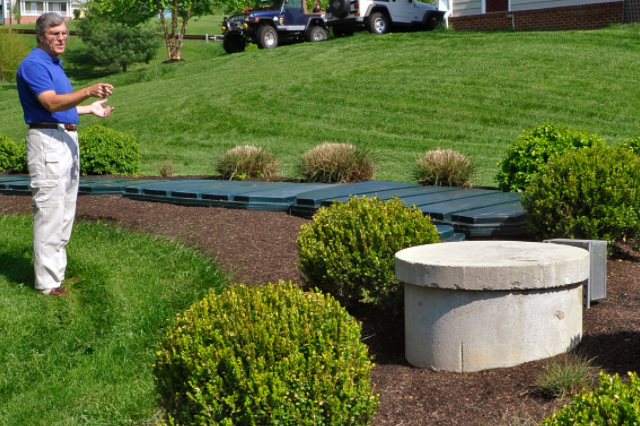
The inspector identifies the septic tank location and uncovers the access lid.
Step 2: Measuring Sludge and Scum Levels
Specialized tools measure waste accumulation to determine whether pumping is needed.
Step 3: Structural Assessment
The tank is checked for cracks, leaks, corrosion or structural damage.
Step 4: Component Evaluation
Inspectors assess baffles, filters, pumps and electrical components.
Step 5: Drain Field Inspection
The drain field is examined for pooling water, unusual odors or overly saturated soil.
Step 6: System Testing
In some cases, inspectors run water tests to observe system flow and drainage performance.
Common Issues Found During Septic Inspections
Inspections on your septic system often reveal problems that are not obvious from inside the home.
Common findings include:
- Full tanks requiring immediate pumping
- Cracked or deteriorating tank walls
- Blocked outlet filters
- Failing pumps in aerobic systems
- Drain field saturation
- Improper system modifications
Identifying these issues early allows for timely repairs and informed decision-making.
How Often Should Inspections Be Performed?
Even outside of real estate transactions, septic inspections should be part of routine home maintenance.
Most professionals recommend:
- Inspections every 1 to 3 years for homeowners
- Additional inspections before listing or purchasing a home
- Annual inspections for commercial or high-use systems
Regular inspections on your septic system help extend system lifespan and prevent unexpected failures.
Septic Inspections vs. Septic Pumping
While septic pumping and septic inspections often occur together, they serve different purposes.
- Septic pumping removes accumulated sludge and scum.
- Septic inspections evaluate system condition and functionality.
In many cases, inspections are performed during pumping to allow a full view of the tank’s interior.
The Financial Impact of Skipping Inspections
Choosing to skip an inspection on the septic system during a home sale can lead to:
- Unexpected system replacement costs
- Drain field reconstruction
- Plumbing backups
- Legal disputes
- Delayed closings
Septic system replacement can cost several thousand dollars. Compared to that, septic inspections are a relatively small investment with significant protective value.
Septic Inspections and Lender Requirements
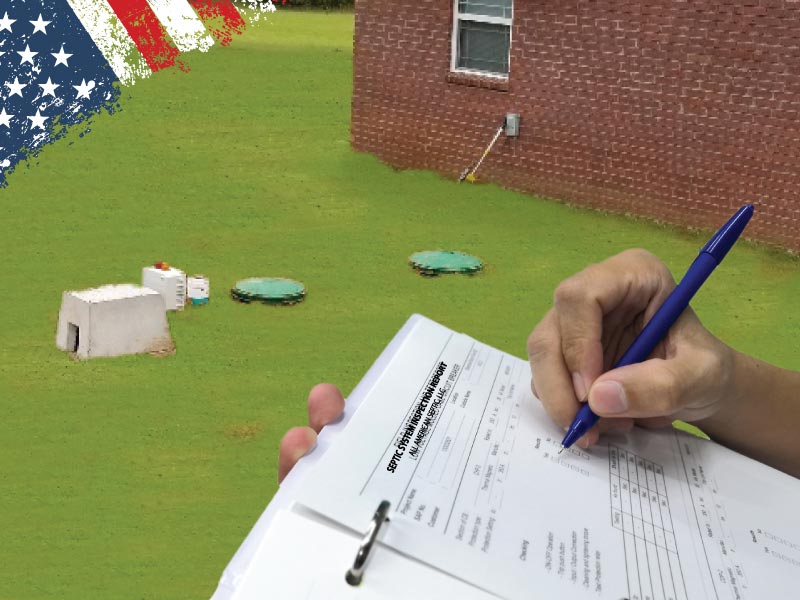
Some lenders and local health departments require septic inspections before approving a mortgage.
These requirements make sure the property meets safety and environmental standards.
If an inspection is required, documentation must often include:
- System condition report
- Pumping records
- Repair recommendations
- Certification of compliance
Scheduling an inspection on the septic system early prevents financing delays.
Signs a Septic Inspection Is Urgently Needed
If you’re buying or selling a home and notice any of the following, schedule an inspection immediately:
- Slow drains or gurgling pipes
- Sewage odors indoors or outdoors
- Standing water near the drain field
- Lush grass over the septic area
- Frequent plumbing backups
These symptoms often signal underlying septic problems.
How Septic Inspections Protect Long-Term Property Value
Homes with documented septic inspections tend to sell more smoothly and maintain stronger property value. Buyers appreciate transparency, and sellers benefit from fewer surprises during escrow.
Routine inspections on a septic system also extend system lifespan, reducing long-term ownership costs.
Choosing a Qualified Professional for Inspections
When scheduling septic inspections, choose a licensed and experienced septic professional. Look for:
- Proper certifications
- Local regulatory knowledge
- Experience with multiple system types
- Detailed written reports
Professional inspections provide accurate evaluations and reliable documentation.
Protect Your Investment with Professional Septic Inspections
Whether you are buying or selling a home, septic inspections are not optional — they are essential. These inspections protect your investment, safeguard health and safety and help prevent unexpected financial burdens.
For buyers, inspections provide clarity and confidence before closing. For sellers, they help prevent delays and demonstrate responsible property maintenance. In both cases, inspections support informed decisions and smoother transactions.
When it comes to real estate, knowledge is power — and septic inspections deliver exactly that.
Schedule Your Inspection Today
Don’t leave one of the most important systems in your home unchecked. If you’re preparing to buy or sell a property, trust the professionals to provide thorough, reliable septic inspections you can count on.
 Ready to get started?
 Contact our team today to schedule your inspection!