
Your septic system is one of the most important components of your property.
It quietly manages wastewater from your home every day, helping to keep your plumbing functioning properly and protecting the health of your family and the environment. However, like any major system, a septic system will not last forever.
While many septic systems can provide decades of reliable service with proper maintenance, there comes a point when repairs are no longer enough.
Recognizing the warning signs early can help you avoid costly emergencies and determine when investing in a new septic system is the best solution.
In this guide, we'll discuss five common signs that indicate it may be time for a new septic system and what homeowners should know about the replacement process.
Table of Contents
How Long Does a Septic System Last?
Before discussing the warning signs, it's important to understand the typical lifespan of a septic system.
Most well-maintained septic systems last between 20 and 40 years. However, several factors can impact longevity, including:
- Soil conditions
- System design
- Household size
- Water usage habits
- Maintenance frequency
- Quality of installation
Even a properly maintained septic system will eventually reach the end of its useful life. Knowing when to replace it can save you from unexpected failures and expensive repairs.
Warning Signs That Mean It's Time for a New Septic System
Warning Sign #1: Frequent Repairs Are Becoming the Norm
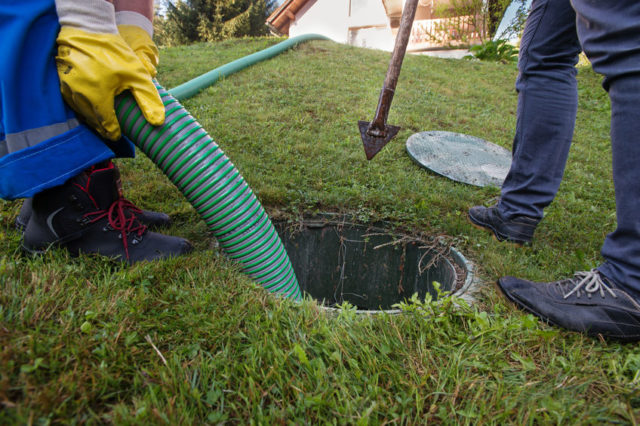
Every septic system occasionally requires maintenance or minor repairs. However, if you find yourself repeatedly calling for service, it may be a sign that your system is deteriorating.
Some common recurring issues include:
- Repeated backups
- Persistent drain field problems
- Frequent pumping needs
When repair costs begin to add up year after year, investing in a new septic system often becomes the more cost-effective option.
Many homeowners continue repairing aging systems because it seems less expensive upfront. However, recurring repairs can quickly exceed the cost of replacement while providing only temporary relief.
If your septic contractor is constantly addressing the same issues, it may be time to discuss replacement options.
Warning Sign #2: Slow Drains and Sewage Backups Are Increasing
One of the clearest signs of a failing septic system is ongoing drainage problems throughout your home.
While an occasional clogged drain is normal, widespread plumbing issues can indicate more serious septic problems.
Warning signs include:
- Multiple slow-draining fixtures
- Frequent toilet backups
- Gurgling sounds in pipes
- Wastewater backing into sinks, tubs or showers
These symptoms often occur when the septic tank, pipes or drain field can no longer process wastewater effectively.
A backup is more than an inconvenience — it can create health hazards, damage your property and disrupt daily life. If these issues continue despite maintenance and repairs, a new septic system may be necessary.
Warning Sign #3: Standing Water or Persistent Wet Areas in the Yard
Your drain field plays a critical role in the wastewater treatment process. When it begins to fail, the signs often appear on the surface of your property.
Watch for:
- Standing water near the drain field
- Persistently soggy ground
- Muddy areas during dry weather
- Unusually lush patches of grass
These symptoms may indicate that wastewater is no longer being properly absorbed and filtered through the soil.
A failing drain field is one of the most significant indicators that a new septic system may be required. In many cases, drain field failures cannot be fully corrected through simple repairs.
Addressing the issue early can help prevent environmental contamination and protect the value of your property.
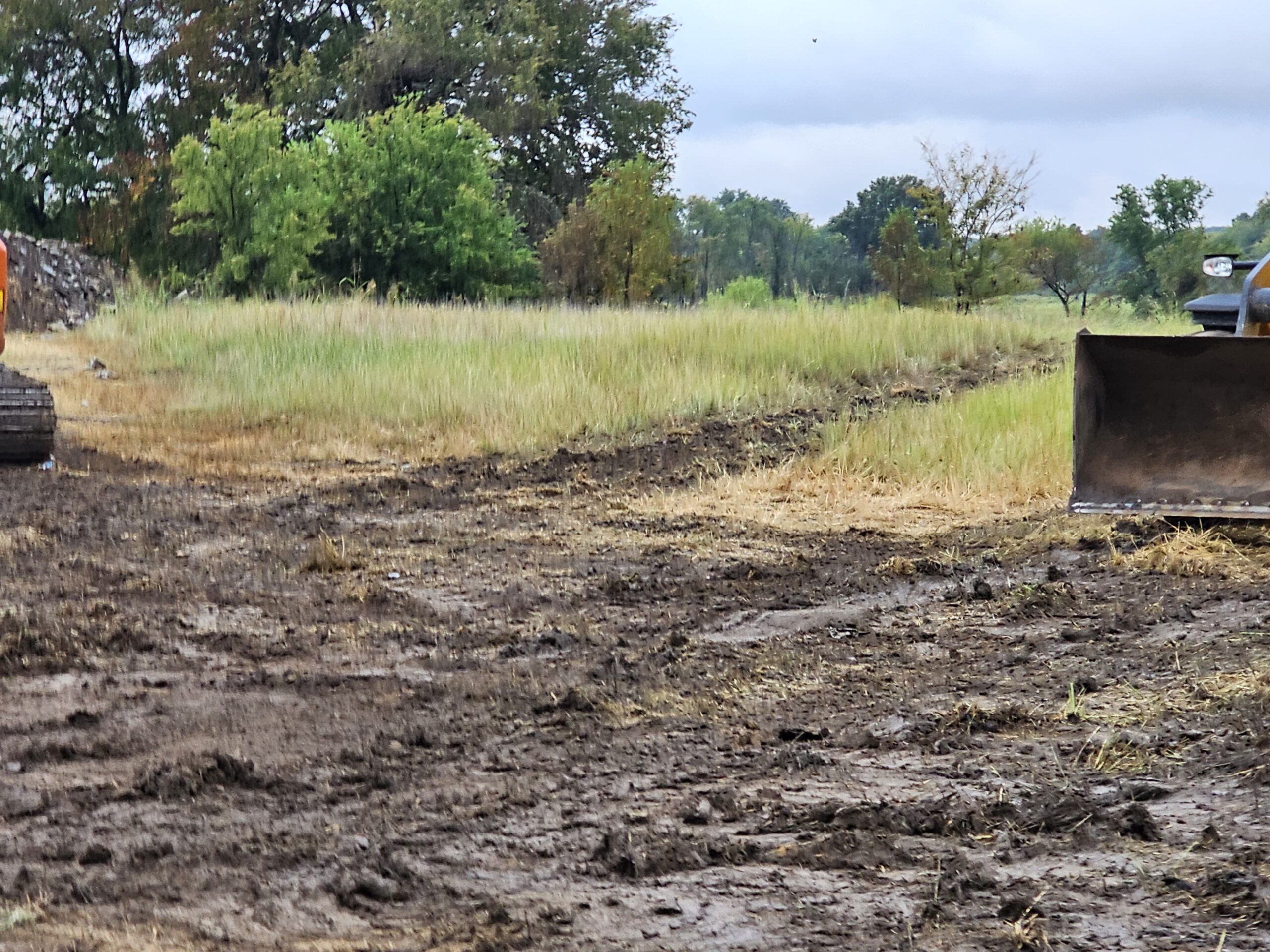
Warning Sign #4: Your Septic System Is More Than 30 Years Old
Age alone doesn't necessarily mean your septic system needs replacement, but older systems should be monitored closely.
Many aging systems were installed using outdated materials or designs that no longer meet current standards.
Older septic systems may experience:
- Structural deterioration
- Reduced efficiency
- Increased maintenance requirements
- Drain field degradation
- Capacity limitations
If your septic system is approaching or exceeding 30 years old and showing signs of wear, replacing it proactively may help you avoid unexpected failures.
A new septic system offers improved performance, greater efficiency and compliance with modern regulations.
Even if your older system still functions, upgrading before a major failure occurs can provide valuable peace of mind.
Warning Sign #5: Strong Sewage Odors Around Your Property
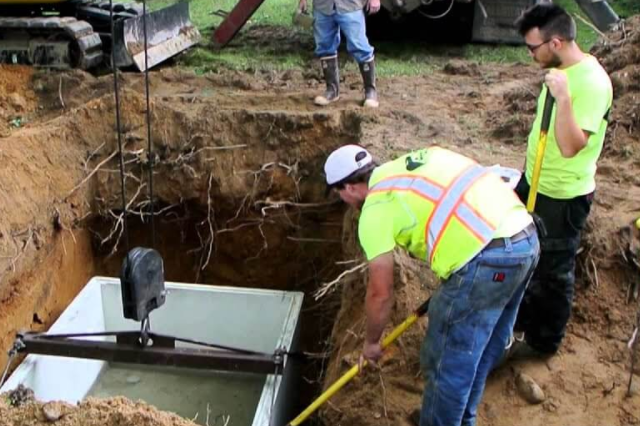
Unpleasant odors are often one of the first signs that something is wrong. A healthy septic system should not produce strong sewage smells around your home, yard or drain field.
Persistent odors may indicate:
- Tank overflow
- Pipe damage
- Drain field failure
- Leaking wastewater
- Improper ventilation
These odors not only create an unpleasant environment, but may also signal serious underlying problems.
If professional inspections reveal widespread system deterioration, replacing the system may be more practical than attempting repeated repairs.
Ignoring sewage odors can allow problems to worsen over time and increase the likelihood of complete system failure.
Why Delaying Septic System Replacement Can Be Costly
Many homeowners postpone replacement because they hope to avoid the upfront expense of a new septic system.
Unfortunately, waiting too long can lead to:
- Emergency repairs
- Property damage
- Landscape restoration costs
- Plumbing repairs
- Environmental contamination
- Reduced property value
A failed septic system can quickly become much more expensive than a planned replacement project.
Taking action before complete failure occurs allows homeowners to schedule work on their timeline rather than dealing with an emergency situation.
Benefits of Installing a New Septic System
While replacing a septic system is a significant investment, it offers several long-term benefits.
A new septic system can provide:
Improved Reliability
New systems are designed to operate efficiently and reliably for decades when properly maintained.
Better Wastewater Treatment
Modern septic systems often provide improved wastewater processing and environmental protection.
Reduced Maintenance Costs
Replacing an aging system can eliminate frequent repair expenses and reduce ongoing maintenance needs.
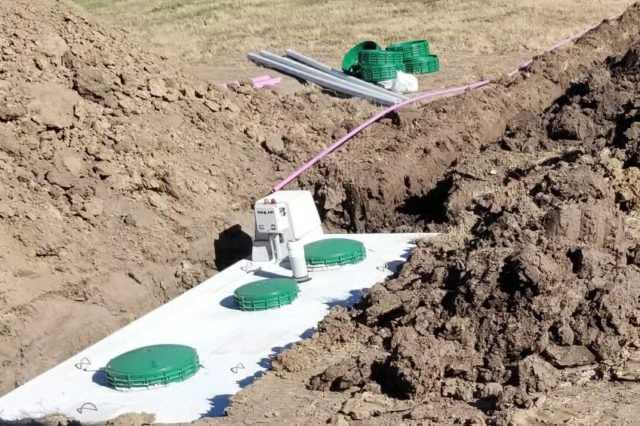
Increased Property Value
Prospective buyers often view a newer septic system as a valuable asset.
Greater Peace of Mind
Knowing your wastewater system is functioning properly can help eliminate concerns about backups, failures and unexpected repairs.
Professional Septic Installation and Replacement Services
If you believe your current system may be nearing the end of its lifespan, a professional evaluation can help determine the best course of action.
At All American Septic, we help homeowners throughout Oklahoma assess their septic systems and determine whether repairs or replacement are the most cost-effective solution.
Our experienced team can evaluate your existing system, discuss your options and recommend a solution tailored to your property's needs.
Don't Wait Until Your Septic System Fails
A failing septic system rarely improves on its own. The warning signs often start small before developing into major problems that require costly emergency repairs.
If you're experiencing recurring repairs, slow drains, standing water, strong odors or your system is reaching the end of its expected lifespan, it may be time to consider a new septic system.
By addressing problems early, you can protect your property, avoid costly disruptions and enjoy the long-term benefits of a modern, reliable wastewater system.
Frequently Asked Questions
A professional inspection can determine whether repairs are sufficient or if replacement is the more cost-effective long-term solution. Factors such as system age, repair history and drain field condition are often considered.