
A properly functioning commercial septic system is essential for businesses that rely on onsite wastewater treatment. Whether you operate a restaurant, office building, retail center, manufacturing facility, church or agricultural operation, your septic system works behind the scenes every day to manage wastewater safely and efficiently.
Unfortunately, many business owners don't think about their septic system until something goes wrong. By the time sewage backups, foul odors or drainage issues appear, a minor problem may have already developed into a costly repair.
The good news is that your commercial septic system often provides warning signs before a major failure occurs. Recognizing these signs early and addressing them quickly can help prevent disruptions to your business operations and avoid expensive repairs.
In this guide, we'll discuss seven signs your commercial septic system needs immediate attention and what you can do to protect your investment.
Table of Contents
Why Commercial Septic Systems Require Special Attention
Unlike residential systems, a commercial septic system typically handles significantly higher wastewater volumes. Businesses often experience fluctuating usage patterns, increased waste loads and more frequent system demands.
As a result, commercial systems require routine inspections, maintenance and pumping to remain efficient. Ignoring warning signs can lead to environmental issues, regulatory concerns, property damage and costly downtime.
Let's look at the most common indicators that your system needs professional service.
Signs Your Septic System Needs Professional Service
1. Slow Drains Throughout the Building
One of the earliest warning signs of a problem is slow drainage.
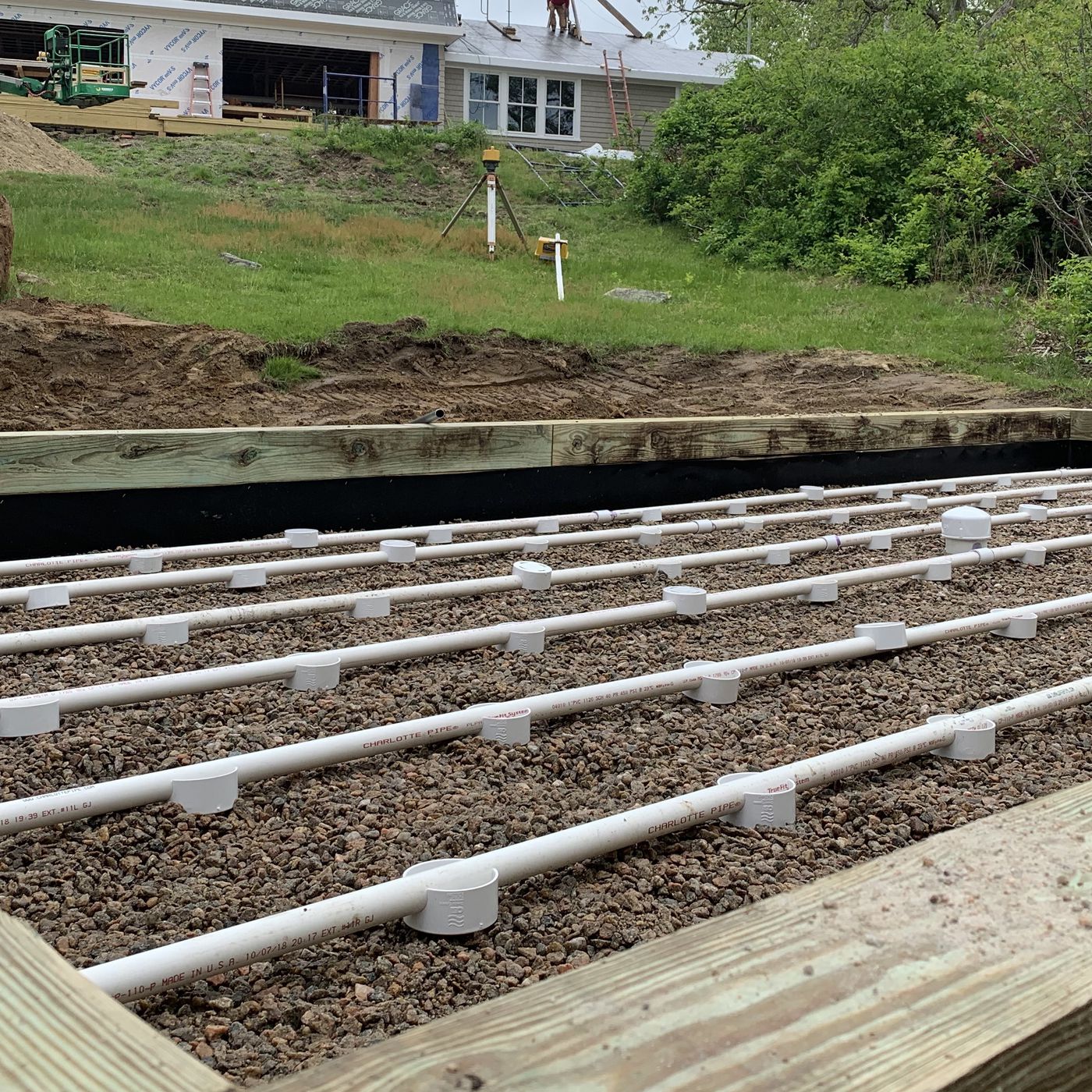
If sinks, toilets, floor drains or other plumbing fixtures throughout your facility are draining more slowly than usual, it may indicate that your commercial septic system is struggling to process wastewater.
While an isolated clog may affect a single drain, widespread slow drainage often points to a larger issue within the septic tank, distribution lines or drain field.
Potential causes include:
- Excess sludge accumulation
- Pipe blockages
- Drain field saturation
- System overload
Addressing slow drains early can prevent more serious issues from developing.
2. Persistent Sewage Odors
A properly functioning commercial septic system should not produce noticeable odors around your property.
If employees, customers or visitors begin noticing sewage smells inside the building or outdoors near the septic tank or drain field, it's time to schedule an inspection.
Persistent odors may indicate:
- Tank overflow
- Damaged pipes
- Drain field failure
- Leaking wastewater
Beyond being unpleasant, sewage odors can create negative impressions for customers and employees while signaling potentially serious septic issues.
3. Standing Water Around the Drain Field
Pooled water near your drain field is never a good sign.
When a commercial septic system is functioning properly, wastewater is filtered through the soil without creating visible wet areas.
If standing water develops around the drain field — even during dry weather — it often indicates that wastewater is no longer being absorbed correctly.
Possible causes include:
- Drain field saturation
- Soil compaction
- Excessive wastewater usage
- Clogged distribution lines
Ignoring standing water can lead to environmental contamination and expensive system repairs.
4. Frequent Sewage Backups
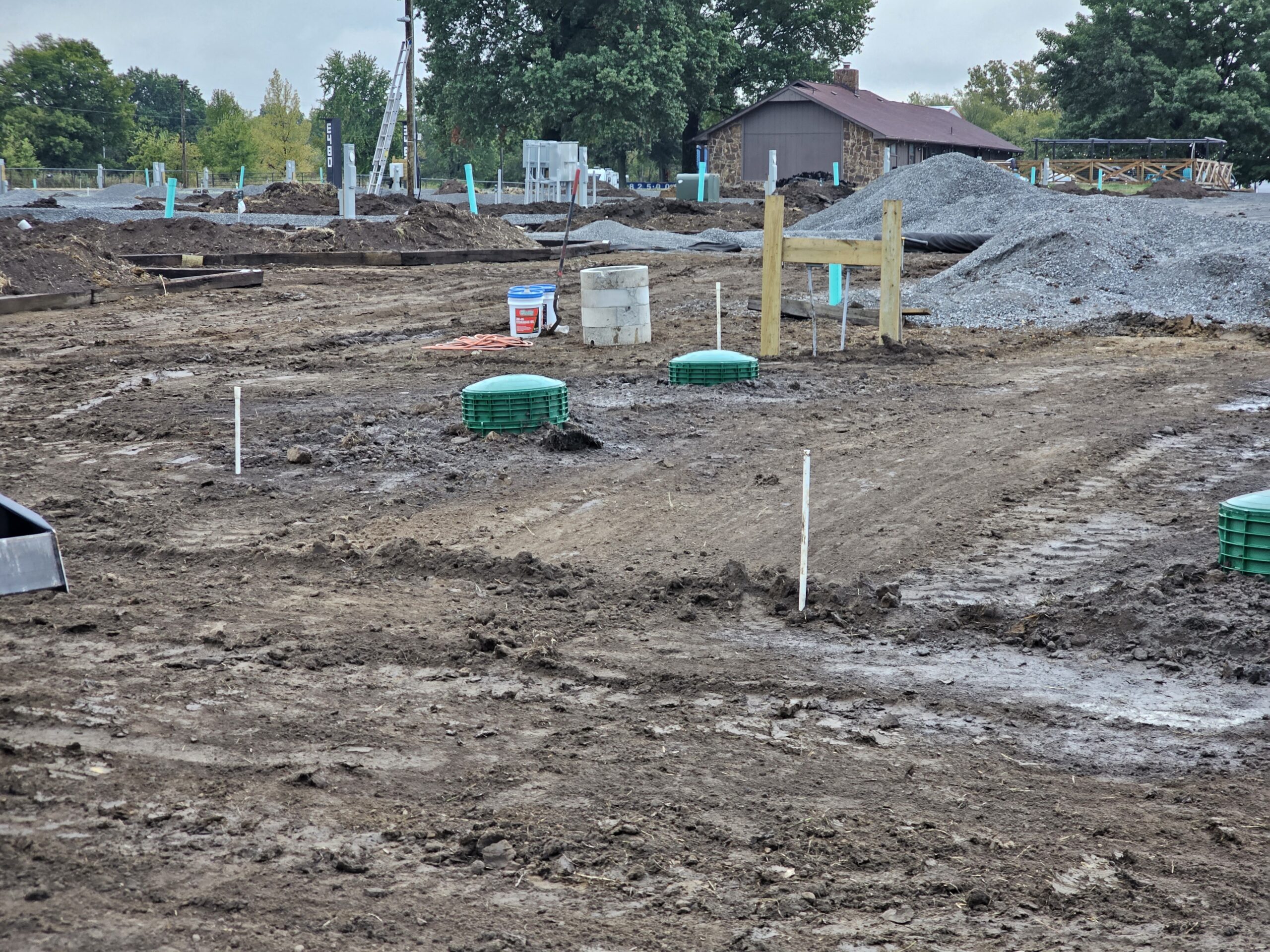
Sewage backups are among the clearest signs that your commercial septic system requires immediate attention.
If wastewater begins backing up into toilets, sinks, floor drains or other plumbing fixtures, your system may be nearing complete failure.
Common causes include:
- Full septic tanks
- Pipe obstructions
- Drain field failure
- Damaged system components
Sewage backups can disrupt business operations, create health hazards and damage property. Prompt action is critical to minimize costs and downtime.
5. Unusually Green or Lush Grass Near the Drain Field
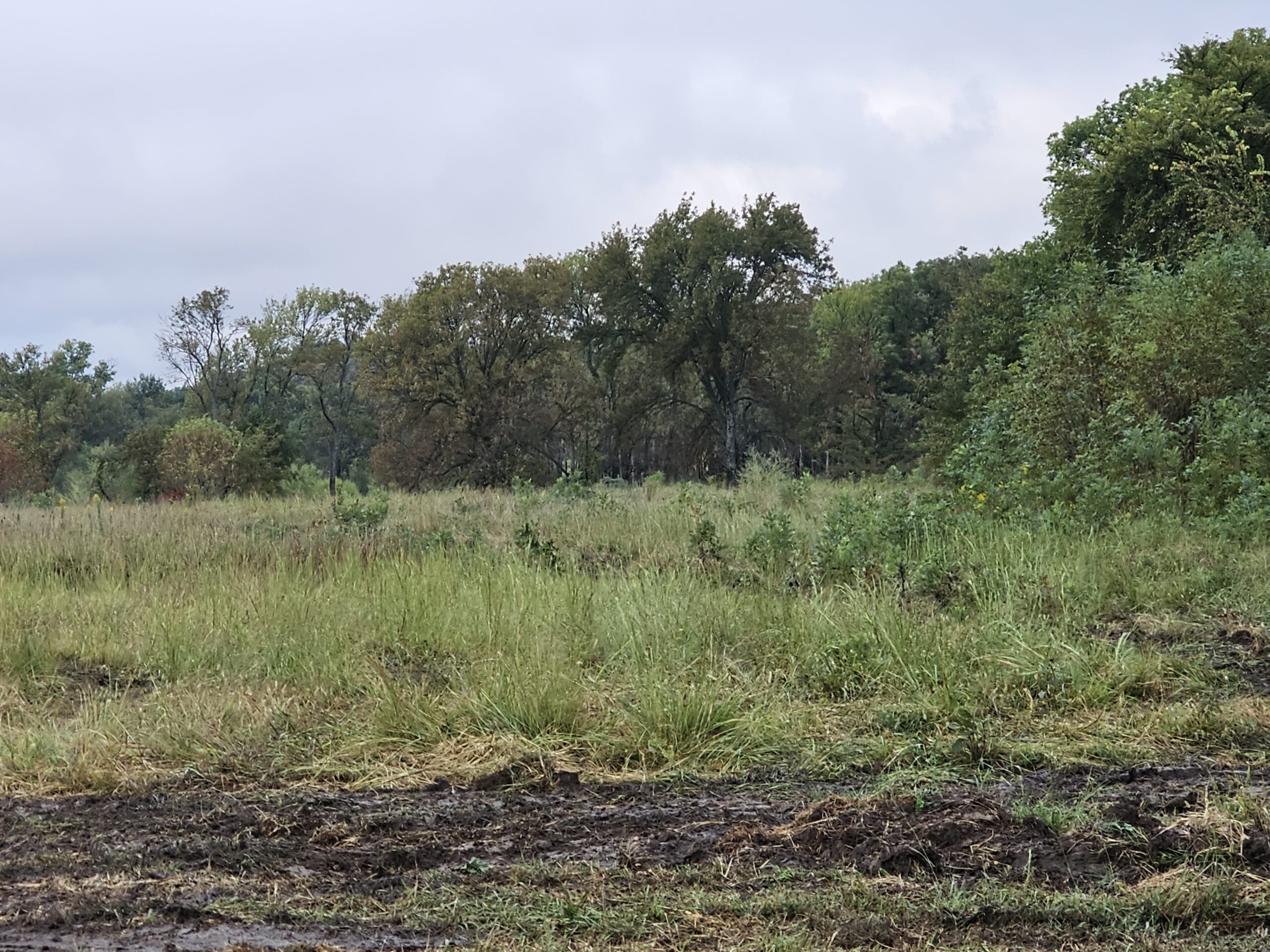
While a healthy lawn is typically desirable, unusually green, thick or fast-growing grass over your drain field may indicate a problem.
When wastewater escapes from a failing commercial septic system, it can act as a fertilizer, causing vegetation to grow more aggressively than surrounding areas.
Watch for:
- Bright green patches
- Rapid grass growth
- Areas that remain lush during dry conditions
These signs often indicate that wastewater is surfacing before it has been properly treated.
6. Business Growth Has Outpaced Your Septic System
Many commercial septic problems occur because the system was originally designed for a lower wastewater volume than it currently handles.
Has your business:
- Added employees?
- Expanded its facility?
- Increased customer traffic?
- Added new equipment or services?
If so, your existing commercial septic system may no longer have the capacity to manage wastewater effectively.
An undersized system can experience chronic overload, increasing the risk of backups, odors and drain field failure.
In some cases, upgrading or expanding the system may be the best long-term solution.
7. Increased Maintenance Requirements
If your business suddenly requires more frequent septic pumping, repairs or service calls than usual, it may indicate underlying system issues.
A properly maintained commercial septic system should operate efficiently for many years. When maintenance needs increase unexpectedly, it could signal:
- Aging infrastructure
- Tank damage
- Drain field deterioration
- Increased wastewater demands
Repeatedly treating symptoms without addressing the root cause can become costly over time. A comprehensive inspection can help identify the source of the problem.
How Regular Maintenance Prevents Commercial Septic Problems
The best way to avoid major septic issues is through proactive maintenance.
Regular inspections and pumping can help:
- Detect problems early
- Extend system lifespan
- Improve efficiency
- Prevent costly emergency repairs
- Maintain regulatory compliance
Many businesses wait until a problem develops before calling a septic professional. However, preventative maintenance is typically far less expensive than repairing a failed system.
Working with experienced professionals will make sure your commercial septic system receives the attention it needs to operate reliably year after year.
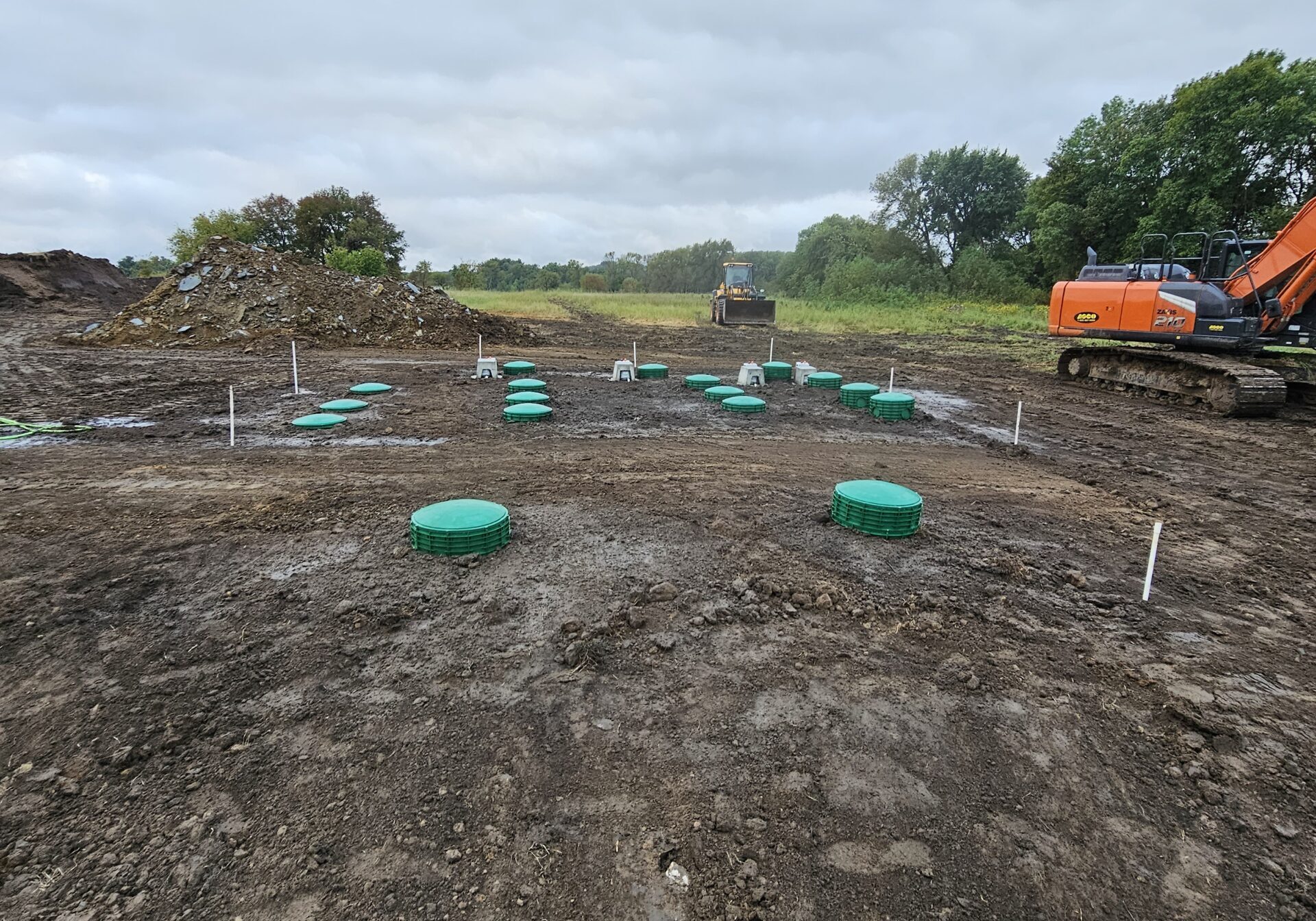
Professional Commercial Septic Solutions for Oklahoma Businesses
If you've noticed any of these warning signs, don't wait for the problem to worsen.
Professional inspections and maintenance can identify issues before they lead to major disruptions or costly repairs.
Businesses throughout Oklahoma rely on expert septic services to keep their systems operating efficiently and safely.
Whether you need routine maintenance, septic pumping, inspections, repairs or a complete system evaluation, taking action early can save your business significant time and money.
Protect Your Commercial Septic System Before Problems Escalate
Your commercial septic system plays a critical role in your daily operations. Ignoring warning signs can result in downtime, environmental concerns, property damage and expensive repairs.
By recognizing early indicators such as slow drains, foul odors, standing water, sewage backups, unusual grass growth, increased maintenance needs and system overload, you can address problems before they become emergencies.
Investing in regular inspections and professional maintenance will help make sure your septic system continues supporting your business efficiently for years to come.
Frequently Asked Questions About Commercial Septic Systems
Most businesses should schedule a professional inspection at least once per year. Facilities with high wastewater volumes may benefit from more frequent inspections.
Want to know exactly what goes on during a professional septic inspection?
👉 Read our blog: What Happens During a Septic Inspection? to get a step-by-step look at the inspection process.