
A septic system is one of the most important — and often overlooked — components of your home. When it’s working properly, you hardly notice it. But when a septic system failure occurs, it can quickly turn into a messy, expensive and even hazardous situation.
For homeowners in Oklahoma, where soil conditions and weather patterns can vary, understanding what causes septic problems is essential.
The good news? Most septic system issues are preventable with the right knowledge and maintenance.
In this guide, we’ll break down the most common causes of septic system failure and provide practical tips to help you avoid them.
What Is a Septic System Failure?
A septic system failure happens when your system can no longer effectively treat and dispose of wastewater. This can lead to:
- Sewage backups in your home
- Slow drains and gurgling pipes
- Foul odors in your yard or house
- Standing water near the drain field
- Contaminated groundwater
Table of Contents
These issues aren’t just inconvenient — they can pose serious health risks and require costly repairs or full system replacement.
Top Causes of Septic System Failure
1. Lack of Regular Maintenance
The Problem
One of the leading causes of septic system failure is simply neglect. Many homeowners forget that septic systems require routine maintenance, especially regular pumping.
Over time, solid waste builds up in the tank. If it isn’t pumped out, those solids can overflow into the drain field, clogging it and causing system failure.
How to Prevent It
- Schedule septic tank pumping every 3 to 5 years (depending on household size and usage)
- Have your system inspected regularly by professionals
- Keep records of maintenance and service history
Routine maintenance is the easiest and most cost-effective way to avoid a major septic system failure.
2. Flushing the Wrong Items
The Problem
Your septic system is designed to handle human waste and toilet paper — nothing more. Flushing inappropriate items can clog pipes, disrupt bacteria and damage your system.
Common culprits include:
- “Flushable” wipes (they’re not truly septic-safe)
- Paper towels
- Feminine hygiene products
- Grease and food waste
- Chemicals and medications
These materials don’t break down properly and can quickly lead to blockages.
How to Prevent It
- Only flush toilet paper and human waste
- Dispose of grease and food scraps in the trash
- Avoid pouring chemicals down the drain
- Educate everyone in your household about proper usage
A simple rule: if it’s not biodegradable, don’t flush it.
3. Excessive Water Usage
The Problem
Too much water entering your septic system at once can overwhelm it. When this happens, solids don’t have time to settle properly, and untreated wastewater may flow into the drain field.
This can lead to system overload and eventual failure.
How to Prevent It
- Spread out water usage throughout the day
- Fix leaking faucets and running toilets immediately
- Install water-efficient fixtures
- Avoid doing multiple loads of laundry back-to-back
Conserving water doesn’t just help the environment — it protects your septic system, too.
4. Drain Field Damage
The Problem
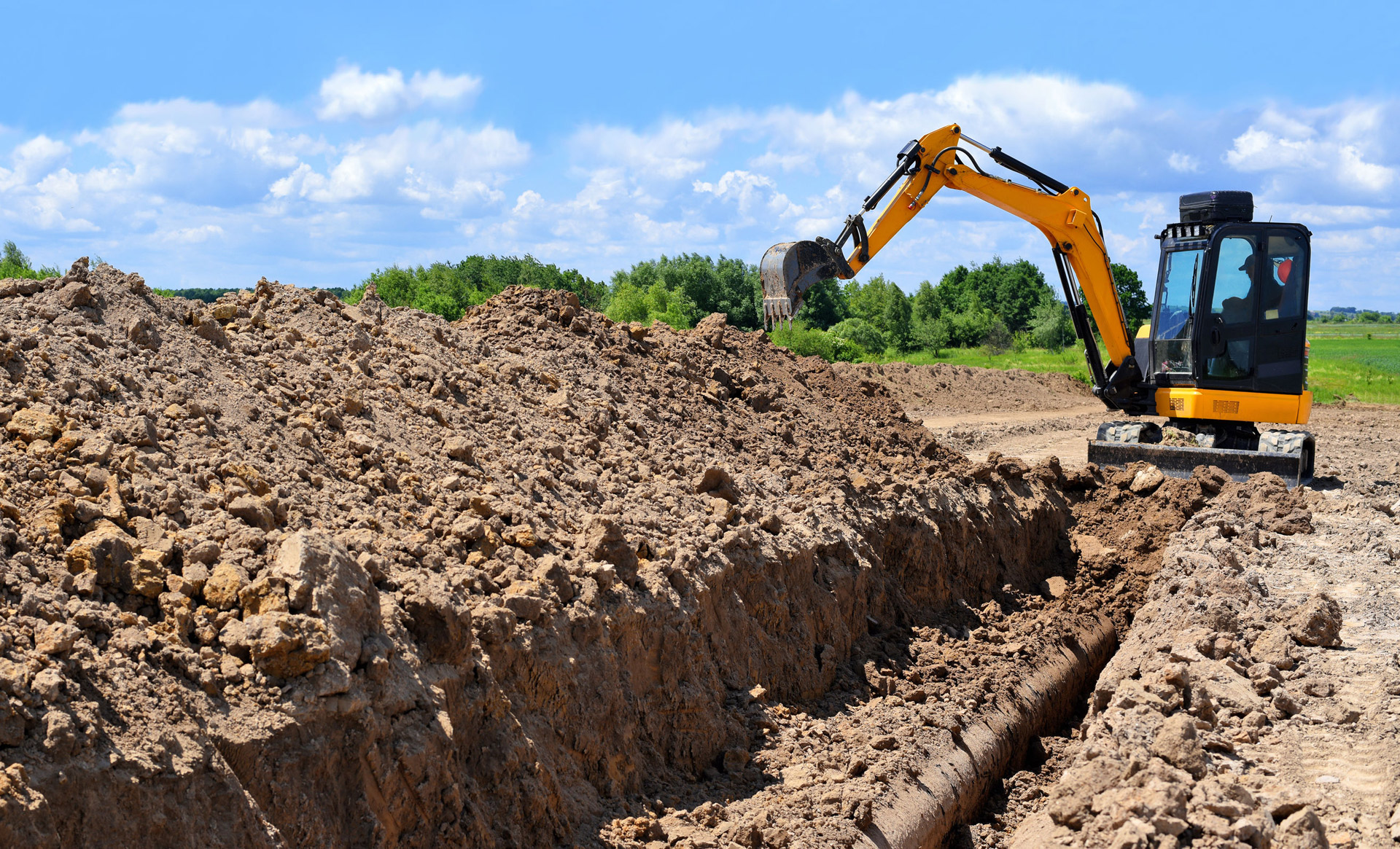
Your drain field plays a critical role in filtering wastewater. If it becomes compacted, flooded or damaged, your entire system can fail.
Common causes of drain field damage include:
- Driving or parking vehicles over the area
- Building structures on top of it
- Poor drainage or standing water
- Tree root intrusion
How to Prevent It
- Never drive or park on your drain field
- Keep heavy equipment and structures away
- Ensure proper yard drainage
- Plant only grass or shallow-rooted plants nearby
Protecting your drain field is essential to preventing septic system failure.
5. Tree Roots Invading the System
The Problem
Tree roots are naturally drawn to moisture, making your septic system an attractive target.
Over time, roots can infiltrate pipes, crack tanks and block wastewater flow.
How to Prevent It
- Avoid planting trees near your septic system
- Remove existing trees that are too close
- Schedule inspections if you suspect root intrusion
Root damage often develops slowly, but can lead to major repairs if ignored.
6. Poor System Installation
The Problem
If your septic system wasn’t installed correctly, it may be prone to ongoing issues. Problems can include:
- Incorrect tank size
- Improper placement
- Poor soil compatibility
- Inadequate drainage design
These flaws can result in recurring septic system failure, no matter how well you maintain it.
How to Prevent It
- Work with experienced, licensed professionals
- Make sure your system is designed for your household size and soil type
- Follow all local regulations and permitting requirements
A properly installed system sets the foundation for long-term reliability.
7. Soil and Environmental Conditions
The Problem
Oklahoma’s soil conditions can vary widely, and some types don’t absorb wastewater effectively.
Heavy clay soils, for example, can prevent proper drainage, while excessive rain can saturate the ground.
When the soil can’t process wastewater, it leads to system overload and failure.
How to Prevent It
- Ensure proper site evaluation before installation
- Improve drainage around your property
- Monitor your system after heavy rainfall
Understanding your local environment is key to preventing septic issues.
8. Ignoring Warning Signs
The Problem
Many homeowners overlook early signs of septic trouble, allowing small issues to become major failures. Common warning signs include:
- Slow drains
- Unpleasant odors
- Gurgling sounds in pipes
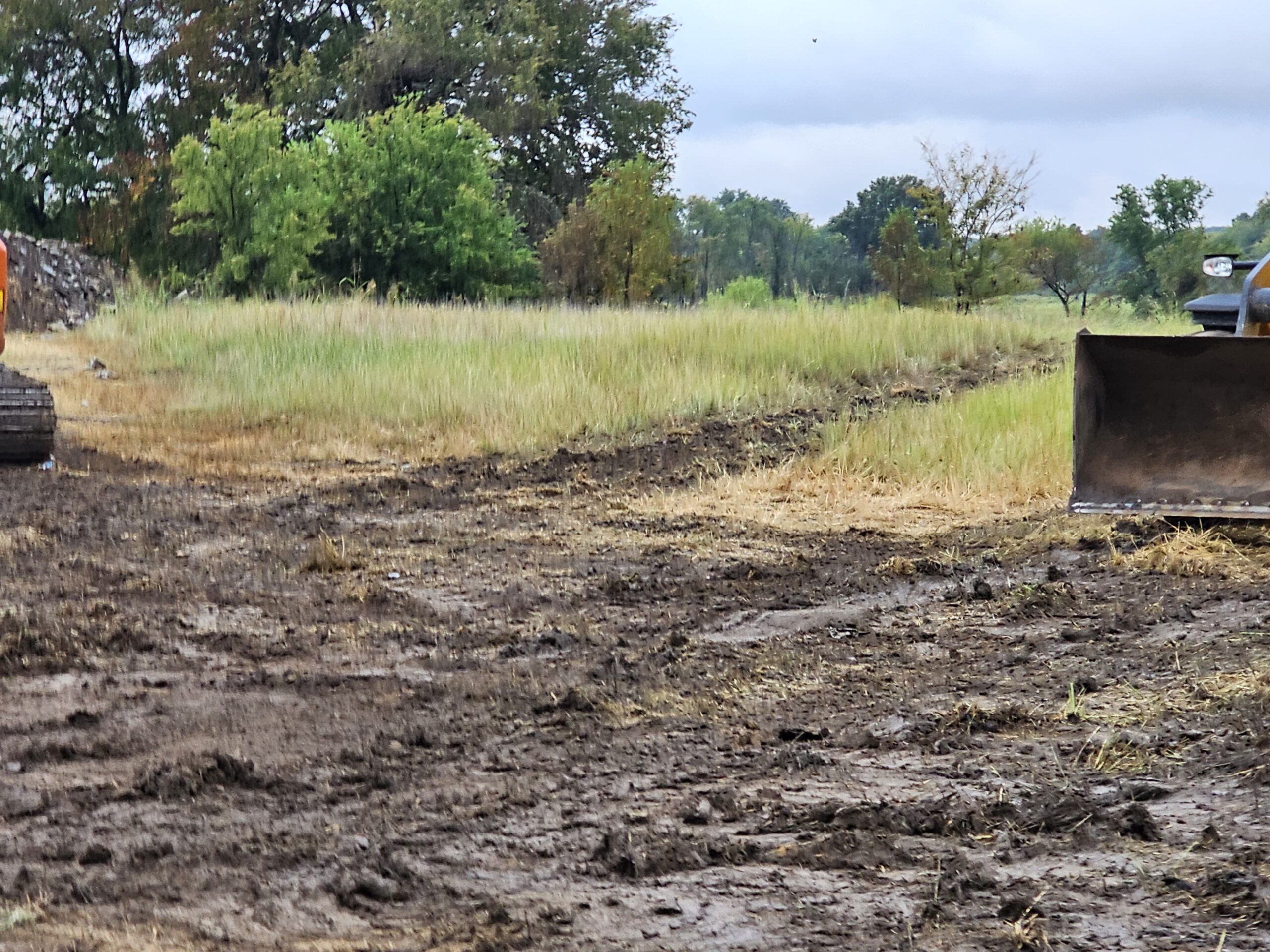
- Wet spots in the yard
Ignoring these symptoms can result in costly repairs or complete septic system replacement.
How to Prevent It
- Address issues as soon as they appear
- Schedule inspections at the first sign of trouble
- Don’t wait until a backup occurs
Early action can save you thousands of dollars and prevent a full septic system failure.
Why Professional Help Matters
Even with proper care, septic systems require expert attention.
Working with a trusted provider like All American Septic ensures your system is properly maintained, inspected and repaired when needed.
Professional services can help you:
- Identify potential issues early
- Extend the life of your system
- Ensure compliance with local regulations
- Avoid costly emergency repairs
Taking Care of Your Septic System
A septic system failure can be stressful, expensive and disruptive — but it’s often preventable. By understanding the common causes and taking proactive steps, you can keep your system running smoothly for years to come.
Simple habits like regular maintenance, mindful water usage and proper waste disposal can make a significant difference. And when in doubt, don’t hesitate to call in the professionals.
Protect your home, your property and your investment by staying ahead of septic system problems.
Need reliable septic maintenance in Northeast Oklahoma? Contact All American Septic to schedule an inspection or service today.
Frequently Asked Questions
Most septic tanks should be pumped every 3 to 5 years, but this can vary depending on household size and water usage. Larger households may need more frequent pumping.