
Choosing the right septic system type is one of the most important decisions you’ll make when installing a new septic system or replacing an existing one. Not every septic system works well for every property. Soil conditions, drainage, property size, wastewater needs, environmental requirements and local regulations can all affect which system is the right fit.
For homeowners and businesses in Northeast Oklahoma, understanding your options is especially important. Properties throughout the area can have different soil and drainage conditions, and some locations may have additional requirements based on their proximity to protected creeks or watersheds.
At All American Septic, we install several types of septic systems, including aerobic water treatment systems, nitrogen reduction aerobic septic systems and conventional septic systems. Our DEQ-certified team can evaluate your property and help determine which septic system type is appropriate for your specific needs.
Table of Contents
What Determines the Right Septic System Type?
There isn't one septic system that is best for every property. Before installation, several factors need to be considered.
These may include:
A professional evaluation is important because choosing the wrong septic system type can result in drainage problems, premature system failure or regulatory issues.
At All American Septic, we evaluate these factors before recommending a system. This will help make sure your new septic installation is designed for the property rather than relying on a one-size-fits-all approach.
Septic System Types
Aerobic Water Treatment Systems
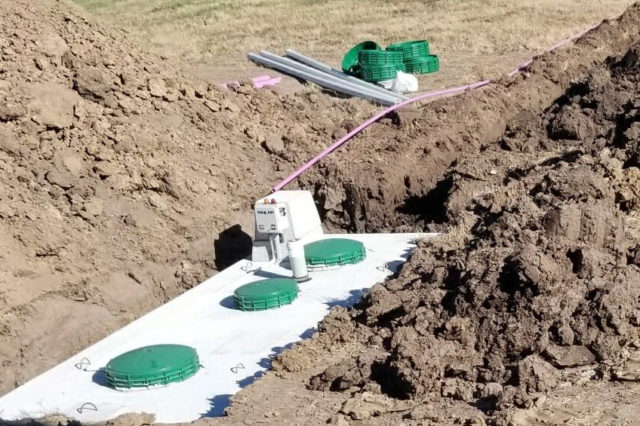
Aerobic water treatment systems are a popular option for many residential and commercial properties. Unlike conventional septic systems, aerobic systems use additional treatment processes to treat wastewater before it is dispersed.
At All American Septic, we install two primary types of aerobic water treatment systems: aerobic spray systems and aerobic drip systems.
Aerobic Spray Systems
An aerobic spray system treats wastewater before distributing the treated water through above-ground spray nozzles. The spray heads are generally programmed to operate during nighttime hours.
This septic system type can be a good option for properties where an aerobic system is appropriate and there is adequate space for the spray field.
Aerobic spray systems include components such as aerobic treatment tanks, pumps, control units and above-ground spray heads.
Our team has extensive experience installing aerobic septic systems for homes and businesses throughout Northeast Oklahoma.
Aerobic Drip Systems
Instead of distributing treated water through above-ground spray heads, an aerobic drip system uses underground drip dispersal.
One advantage of this septic system type is that the treated wastewater is distributed below the surface. This can be appealing to homeowners who want to minimize the possibility of people coming into contact with treated water.
All American Septic has significant experience installing aerobic wastewater treatment systems with underground drip dispersal.
When evaluating your property, our team can help determine whether an aerobic drip system is a practical option for you.
Nitrogen Reduction Aerobic Septic Systems
Some properties require a specialized septic system type because of their location near protected water resources.
If a property is located near a Water Body Protection Area (WBPA), creek or watershed, Oklahoma DEQ requirements may limit which wastewater treatment systems can be installed.
In these situations, a nitrogen reduction aerobic septic system may be required.
What Is a Nitrogen Reduction Septic System?
A nitrogen reduction system provides additional treatment to reduce nitrates and nitrogen in wastewater before it is dispersed into the environment.
This additional treatment can help protect sensitive water resources and surrounding ecosystems.
For certain properties, a conventional septic system or standard aerobic spray system may not meet the applicable requirements. In those cases, a nitrogen reduction system may be necessary.
Because these requirements depend on the specific property and its location, it's important to have your site evaluated by a qualified professional.
Our DEQ-certified inspectors and installers can help determine whether your property requires a nitrogen reduction system. Installing the appropriate septic system type is important for protecting local water quality and complying with Oklahoma DEQ requirements.
Conventional Septic Systems
Conventional septic systems remain one of the most common and cost-effective wastewater treatment options when property conditions allow for them.
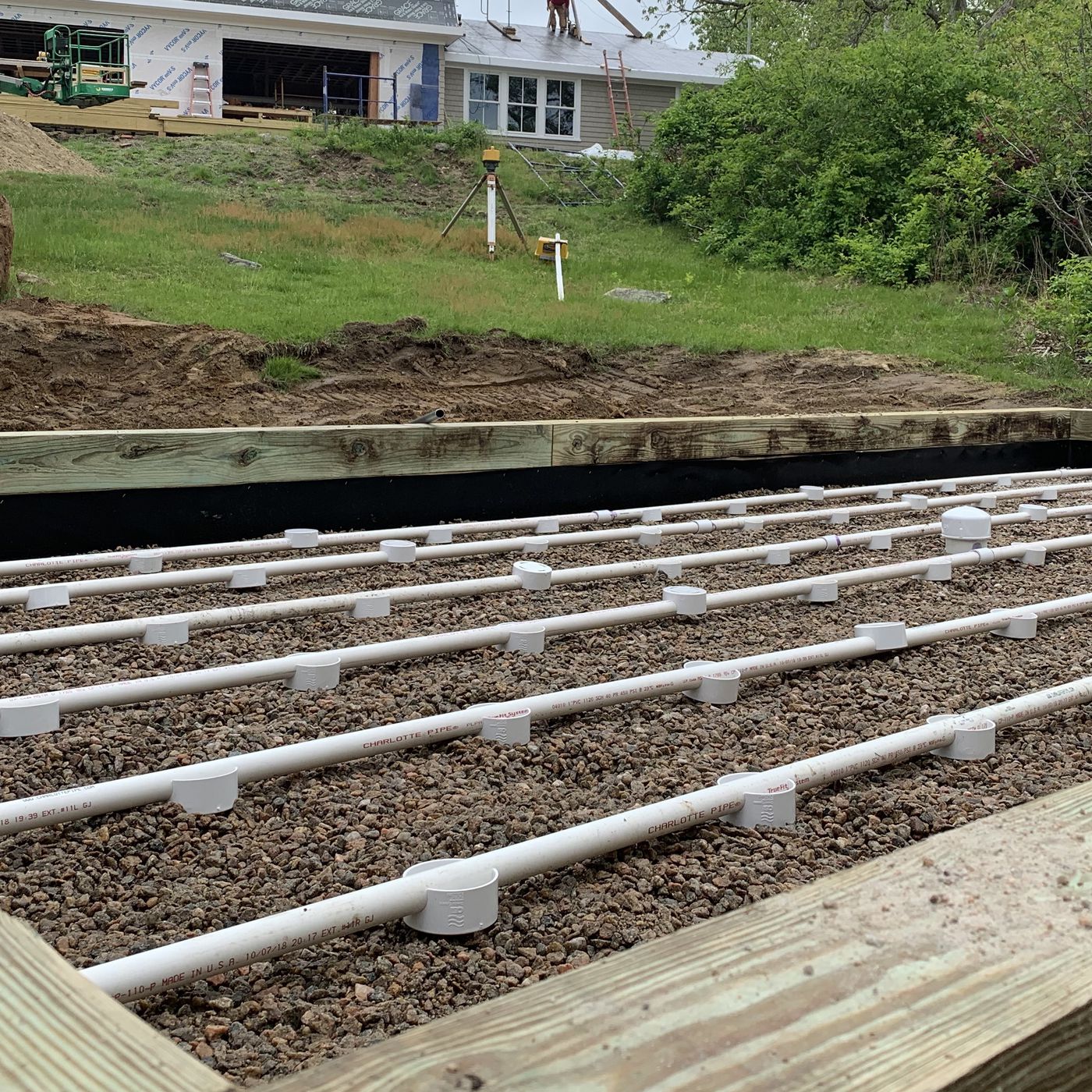
A conventional system typically consists of a septic tank and underground lateral lines. Wastewater leaves the septic tank and is distributed through the lateral lines into the soil, where additional treatment and absorption occur.
This septic system type can be an excellent option when the property's soil and drainage conditions are suitable.
However, conventional systems are not appropriate for every property.
How Soil Conditions Affect Conventional Systems
Soil plays a major role in determining whether a conventional septic system will work effectively.
Properties with poor drainage, heavy clay soils, high groundwater or other soil limitations may not provide the absorption capacity needed for a conventional lateral-line system.
Northeast Oklahoma properties can have varying soil and drainage conditions. That's why testing and professional evaluation are important before selecting a septic system type.
Our DEQ-certified installers can perform a soil drainage percolation test to evaluate how quickly wastewater can disperse through the soil.
If the property does not have suitable conditions for conventional lateral lines, another septic system type may be a better solution.
Aerobic vs. Conventional Septic Systems: Which Is Better?
The answer depends on your property.
Conventional septic systems are often the lower-cost option when soil conditions and property characteristics allow them. They have a relatively straightforward design using a septic tank and underground lateral lines.
Aerobic systems provide additional wastewater treatment and may be necessary or preferred for properties where conventional systems are not suitable.
Rather than automatically choosing one system over another, homeowners should have their property evaluated first.
The right septic system type should be based on the property's specific conditions, regulatory requirements and wastewater needs.
Do You Need to Replace an Existing Septic System?

Choosing a septic system type isn't limited to new construction. Homeowners may also need to select a new system when an existing septic system has reached the end of its useful life.
Signs that replacement may be necessary:
- Frequent sewage backups
- Persistent sewage odors
- Standing water around the drain field
- Repeated septic repairs
- Poor drainage
- A deteriorating septic tank
- An aging drain field
In some cases, only the septic tank or a specific component needs to be replaced. In other situations, the entire system may need to be redesigned and replaced.
A professional septic inspection can help determine whether repair, partial replacement or a completely new septic system is the best option.
Why Professional Septic Installation Matters
Installing a septic system involves much more than placing a tank in the ground. The system needs to be properly designed, installed and configured for the property.
Professional septic installation will help make sure:
At All American Septic, we have been serving Northeast Oklahoma since 2011. Our team understands the local conditions that can affect septic installations, from soil composition to drainage and regulatory requirements.
We also provide fair, detailed estimates and discuss unexpected conditions, such as significant amounts of rock requiring additional excavation or rock-breaking work, before proceeding.
Choosing the Right Septic System Type for Your Property
The best septic system type depends on your property, not simply on which system costs the least.
Aerobic water treatment systems, nitrogen reduction aerobic systems and conventional systems all have different applications. Understanding those differences can help you make an informed decision about your wastewater treatment system.
Before installing or replacing a septic system, have your property professionally evaluated. A qualified septic installer can assess soil conditions, drainage, wastewater needs and applicable regulations to determine which option makes the most sense.
 At All American Septic, we install and replace septic systems throughout Northeast Oklahoma, including Claremore, Owasso, Tulsa, Catoosa, Bixby, Pryor, Chouteau, Broken Arrow, Inola, Coweta, Collinsville and surrounding areas.
If you're planning a new septic installation or believe your existing system needs to be replaced, contact All American Septic to discuss your property and your options.
Frequently Asked Questions
There is no single best septic system type for every home. The right choice depends on factors such as soil conditions, property size, drainage, wastewater volume and Oklahoma DEQ requirements.